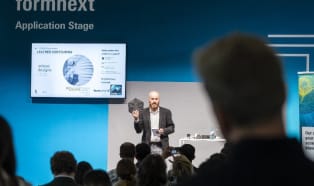
Formnext 2024 puts out the Call for Speakers
Formnext 2024 puts out the Call for Speakers: medical technology, AI, robotics, and a myriad of other topics
Formnext 2024 puts out the Call for Speakers: medical technology, AI, robotics, and a myriad of other topics

ECHA CHEM is the new solution to share with the public the growing amount of information hosted by the Agency.

In its new multistage conference format, Formnext 2023 will be showcasing groundbreaking AM applications, technologies, and the latest innovations as well as discourses on relevant subjects as sustainability, cyber security and investments.

As part of its ninth international Start-up Challenge, Formnext has recognized up-and-coming enterprises from the world of Additive Manufacturing for their innovative business ideas and technical developments.

Formnext has reimagined its conference design to meet the increasing demand for more in-depth opportunities to share knowledge and ideas about the Additive Manufacturing sector.
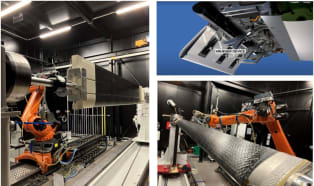
Each year, the JEC Composites Innovation Awards celebrate successful projects and cooperation between players of the composites industry. These composites champions are awarded based on multiple criteria such as partner involvement in the value chain, complexity, or commercial potential of the project.

New STEM learning program for middle-school educators and students aims to inspire interest in engineering careers before high-school

Shell International B.V. and GE Additive unveiled the results of a joint design and engineering project – an additively manufactured oxygen hydrogen micromixer.

Engel is expanding its cooperation with the KIMW institute (Kunststoff-Institut Lüdenscheid) in the training area.

Schools, colleges, universities, independent training centres and OEM training facilities can all benefit from a new Fanuc educational package that combines the company’s machine tool and collaborative robot technologies.
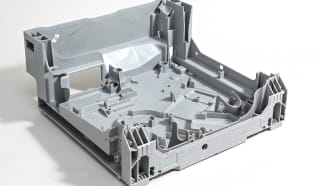
Detergent bottles are frequently manufactured using recycled plastic; however, as far as higher value-added applications are concerned, these recyclates have yet to be deployed on a large scale.

Valuable expert know-how for shaping the leading themes climate protection, circular economy and digitalisation.