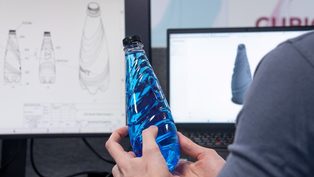
BMT has developed a smart prototyping approach that combines simulations, 3D-printed moulds and lab-scale blow moulding trials to accelerate PET bottle development, reduce design risk and cut tooling costs before metal moulds are produced.
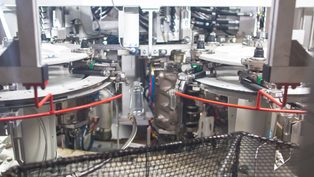
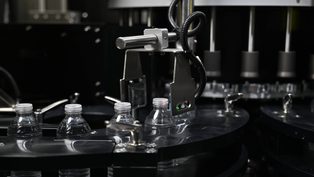
Ducona Holland BV has installed a Sidel SBO 8 EvoBlow blow-moulding machine with preferential heating technology for the production of flat PET containers for sauces, increasing efficiency and reducing material consumption.
Lightweight, recyclable packaging is gaining importance in the wine segment. The example of the Nordic market and PET bottles with high recycled content shows that such solutions can facilitate access to new consumer groups and reduce the carbon footprint.
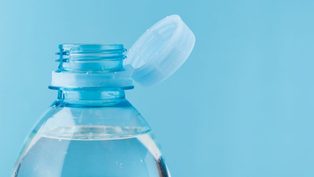
Husky's HyCAP SecuRE+ technology enables the use of PET caps for PET bottles, simplifying the material composition of beverage packaging and improving its recyclability, without the need to modify bottle design.
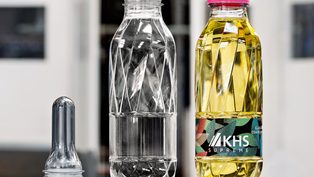
The KHS Group is introducing the KHS Supreme system that uses Plasmax barrier technology to protect oxygen-sensitive beverages such as tea while maintaining full recyclability of PET bottles, including rPET.
The global PET market enters 2026 with weak demand, volatile freight costs and increasing import competition. Seasonality and speculative factors in many regions prevail over supply-demand fundamentals.
The concept was logical and aligned with the European direction of change. Extended Producer Responsibility was to cover the actual costs of managing packaging waste, while the deposit return scheme was to ensure high-quality collection of selected fractions.
UPM started commercial production of industrial sugars at its Leuna biorefinery in Germany. The facility, the largest biochemical investment in Europe, uses hardwood to produce advanced renewable feedstocks.
Erema’s Vacurema Basic, Vacurema Advanced and Vacunite technologies received EFSA positive opinions under Regulation (EU) 1616/2022 for PET recycling for food-contact applications. The company reports that challenge tests confirmed decontamination efficiency under simulated worst-case conditions.
The European PET Bottle Platform has launched a two-month industry consultation on Design for Circularity guidelines for PET bottles, representing an evolution beyond current Design for Recyclability principles.
Cirrec, the recycling division of the Faerch Group, has installed multiple Tomra flake sorting units at its Duiven plant, enabling large‑scale post‑consumer PET food tray‑to‑tray recycling with food‑grade quality and increased capacity.
Sukano has developed an additive masterbatch package that enables production of monomaterial PET and rPET closures recyclable in the same stream as clear PET bottles, addressing a long-standing gap in bottle-to-bottle circularity.