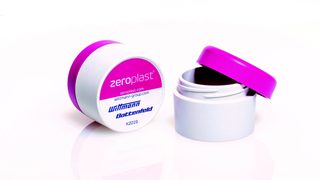
zeroplast free - injection molding process for the recyclable biomaterials
Wittmann Battenfeld and Zeroplast at the K 2019 with injection molding process for the natural material Zeroplast free.
Wittmann Battenfeld and Zeroplast at the K 2019 with injection molding process for the natural material Zeroplast free.
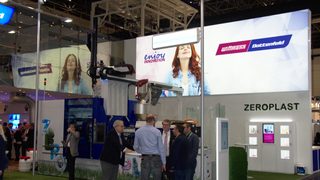
“Circular Economy” is the motto of the K 2019 and the largest common denominator in the cooperation between Wittmann Battenfeld and Zeroplast. The bio-based natural material is not only recyclable, bio-compatible but is also said to fulfill all the wishes and requirements of industrial customers.

FKuR will be showcasing its expanded portfolio of biobased thermoplastics for a growing range of applications including packaging, consumer products, sporting goods and technical parts at K2019 in stand E48 in hall 6.
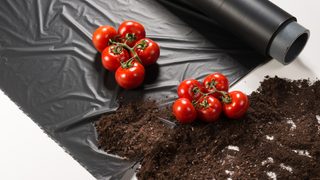
Certified soil-biodegradable ecovio M 2351 for mulch films benefits food production and environment
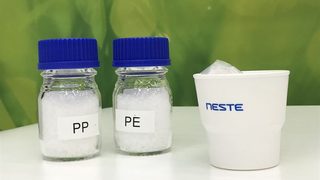
This collaboration marks the first time bio-based polypropylene and bio-based low-density polyethylene were produced simultaneously at commercial scale.
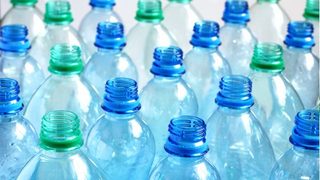
Yesterday it announced that PepsiCo, Inc. has joined the Alliance to advance the shared goal of creating beverage containers with a significantly reduced carbon footprint.
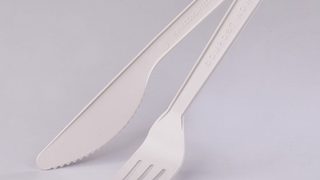
At Fakuma 2018, FKuR Kunststoff GmbH will be presenting its broad portfolio of bio-based thermoplastics for injection molding, thermoforming and extrusion.
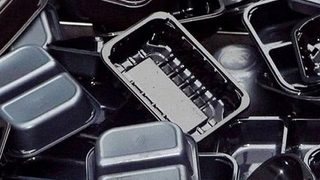
Biodegradable fibre packaging could catalyze shift away from black plastic, says GlobalData.
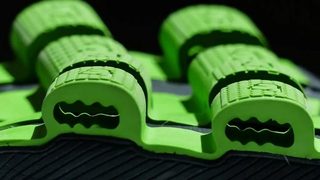
Arlanxeo introduces its new thermoplastic vulcanisates (TPVs) that combine Keltan Eco ethylene propylene diene monomer rubber (EPDM) with green fillers, plasticizers and thermoplastics, resulting in EPDM products with up to 90% sustainable ingredients.
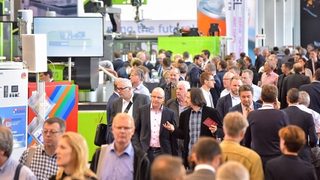
What happens today with PE, PS, ABS or PET and CFRP, when it reaches the end of its initial service life? Experts from all over the world will find solutions to this issue at the Fakuma international trade fair for plastics processing in Friedrichshafen from the 16th through the 20th of October, 2018.
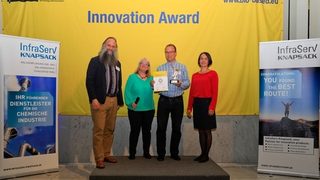
Innovation Award “Bio-based Material of the Year 2018” goes to Arctic Biomaterials from Finland for degradable glass fibre reinforced PLA.
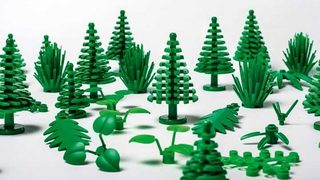
LEGO botanical elements such as leaves, bushes and trees will be made from plant-based plastic sourced from sugarcane in the future and will appear in LEGO boxes already in 2018.