Clariant has reported the successful completion of a pilot project carried out together with Borealis and the research institute SINTEF, aimed at demonstrating in pilot scale the upgrading technology for pyrolysis oil derived from plastic waste. Tests conducted at the SINTEF facility in Norway confirmed that the technology developed by Clariant makes it possible to convert pyrolysis oil into feedstock meeting the quality requirements of steam cracker input, which opens the way for its use in virgin polyolefin production.
The collaboration focused on upgrading pyrolysis oil from plastic recyclates to a level fully compliant with steam cracker feed specifications. The key element of the process was Clariant's proprietary HDMax catalysts, used in the pilot plant operated by SINTEF. According to the partners, the required parameters were achieved to enable further processing in existing petrochemical infrastructure.
During testing, the HDMax catalyst ensured full conversion in all critical areas, including complete hydrogenation of dienes without gum formation, which is essential for further processing steps in crackers. Complete conversion of contaminants such as oxygenated, nitrogen-containing and halogenated organic compounds was also achieved. All product quality requirements were met, which according to the partners confirms the technology's readiness for industrial application.
Gene Mueller, vice president and head of the ethylene segment at Clariant Catalysts, highlighted the importance of the project results for the development of chemical recycling of plastics. "This successful collaboration proves that closed-loop plastic recycling can work effectively on an industrial scale. Our HDMax catalyst technology enables plastic waste to be converted back into feedstock that meets the stringent quality requirements of steam crackers, creating a true circular pathway for plastics."
Single-step pyrolysis oil upgrading
The statement emphasized that an important distinguishing feature of the HDMax technology is its capability to achieve the required quality parameters of pyrolysis oil in a single multilayer hydrotreating reactor. According to Clariant, this solution contrasts with alternative technologies, which typically require the use of three or four reactors. Reducing the number of process stages is expected to translate into lower capital expenditures, simplified operation and reduced energy consumption.
In addition, the technology enables a subsequent hydrocracking step after hydrotreating in order to obtain hydrocarbon fractions similar to naphtha. This is intended to increase flexibility in tailoring product characteristics to the requirements of further processing in the petrochemical value chain and to improve overall process efficiency. As part of the project, the specialized Hydex catalyst for the hydrocracking stage was also used, supplied by Clariant as commercial samples.
The cooperation of the three partners was based on combining their complementary competences. Clariant was responsible for catalyst design and for supplying commercial samples of the HDMax catalysts for pyrolysis oil upgrading and Hydex for hydrocracking. Borealis, as a polyolefin producer in Europe, defined the target quality parameters of the upgraded pyrolysis oil and contributed process know-how related to polyolefin production, including chemically recycled solutions offered under the Borcycle C portfolio.
SINTEF, one of the largest independent research organizations in Europe, carried out comprehensive pilot-scale testing and technology validation at its research facility in Norway. This included both operation of the process under conditions close to industrial reality and assessment of the quality of the resulting steam cracker feedstock against the requirements for raw materials used in polyolefin production.
Relevance for the circular economy
According to the project partners, the successful demonstration of the technology confirms a practical pathway for reintroducing materials derived from plastic waste recycling into industrial production of high-quality products. Converting plastic waste back into full-value steam cracker feedstock is expected to support the industry's transition towards more circular production models, in which polymer materials can be returned to the cycle multiple times without compromising the performance properties of final products.
The project is part of the development of chemical recycling solutions, seen as a complement to mechanical recycling in areas where quality limitations of the input material hinder its reuse. In this context, pyrolysis oil upgrading technology is intended to enable an increase in the share of secondary raw materials in the feed stream to polyolefin production units, while maintaining the required level of purity and process stability.
The partners point out that pilot-scale validation of the technology provides the basis for further development work and potential commercial implementation. The combination of Clariant's experience in catalysis, SINTEF's research facilities and Borealis' industrial expertise in polyolefin production is expected to help shorten the time-to-market for solutions that enable wider use of plastic waste as feedstock for the petrochemical industry.
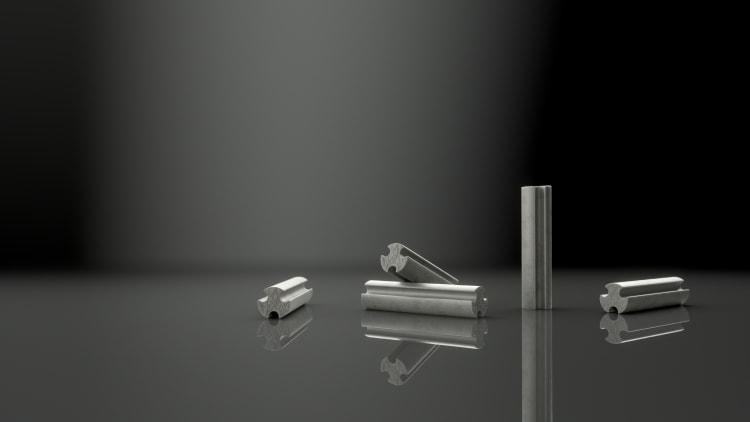
HDMax: enabling the circular economy through proven pyrolysis oil upgrading technology. Photo: Clariant