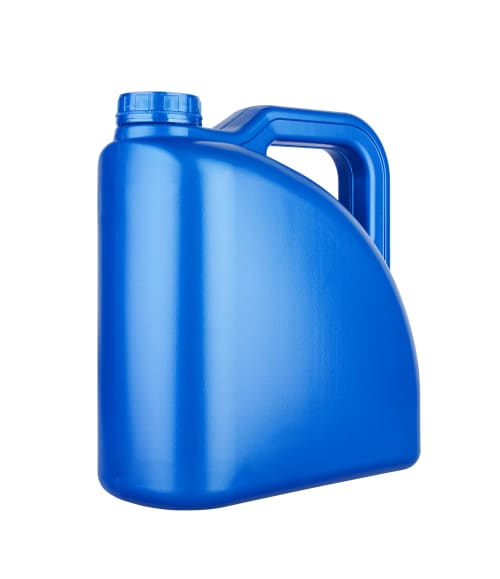
Avient has launched Cesa Solvent Barrier Technology for high-density polyethylene (HDPE) bottles. It is a PFAS-free additive intended for monolayer packaging produced by extrusion blow molding. According to the manufacturer, the solution is designed to help processors and brand owners comply with tightening regulations on fluorinated substances without the need to upgrade production lines. The technology is targeted at packaging for personal care products, household chemicals, home and garden products, and automotive care products, where effective reduction of solvent permeation in monolayer packaging is required.
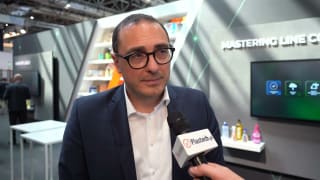
As Mayendran Pillay, General Manager, emphasizes, market pressure is currently coming from two directions: on the one hand, increasingly stringent regulations on fluorinated materials, and on the other, end-user expectations regarding packaging durability. “Cesa Solvent Barrier Technology enables processors to retain their existing extrusion blow molding lines while delivering bottles capable of withstanding contact with aggressive solvents throughout the product’s shelf life. It also helps brand owners build consumer loyalty and trust by maintaining packaging integrity as well as product quality and performance, without the use of fluorinated barrier treatment methods,” he said.
The new blended barrier additive was developed for HDPE bottles manufactured by EBM. Its role is to significantly reduce reagent permeation, which can lead to paneling of the package walls, weight loss, deterioration of label adhesion, and failure to meet hazardous materials packaging test requirements under the U.S. Department of Transportation regulations, 49 CFR. The company stated that, as fluorinated barrier methods are phased out, brand owners are seeking PFAS-free solutions that can be implemented on existing lines while maintaining packaging integrity during distribution and throughout storage and sale.
Parameters and application method
Cesa Solvent Barrier Technology is a solid pelletized additive dosed into HDPE during the standard extrusion blow molding process. According to Avient, this makes it possible to maintain packaging integrity and product performance without the need for specialized equipment or additional processing steps. The company states that internal laboratory data confirmed a 2- to 10-fold reduction in weight loss compared with unmodified monolayer HDPE for various reagents such as mineral spirits and toluene.
The manufacturer also points to an appropriate letdown ratio which, at specified concentrations, may qualify the material for APR recognition, as well as the additive’s compatibility with regrind. The solution has also undergone preliminary testing in Avient laboratories using at least five reagents.
Application scope
According to the company, the technology was designed for monolayer HDPE bottles used in several market segments. In packaging for cosmetics and personal care products, it is intended to help maintain label adhesion and bottle geometry, including for body wash gels, oils, and styling products. In the household chemicals segment, it is designed to reduce weight loss and paneling in bottles containing terpene- and citrus-based cleaning formulations.
In home and garden applications, the technology is intended to support compliance with hazardous materials packaging test requirements under 49 CFR for products such as fertilizers, herbicides, and pest control products. In turn, for automotive care fluids, it is intended to improve the ability of packaging to retain mineral spirits and formulations based on aromatic solvents, such as wheel cleaners and engine degreasers.
Avient reported that Cesa Solvent Barrier Technology for HDPE is already commercially available in the North American market.
Avient launches Cesa Solvent Barrier Technology for HDPE bottles