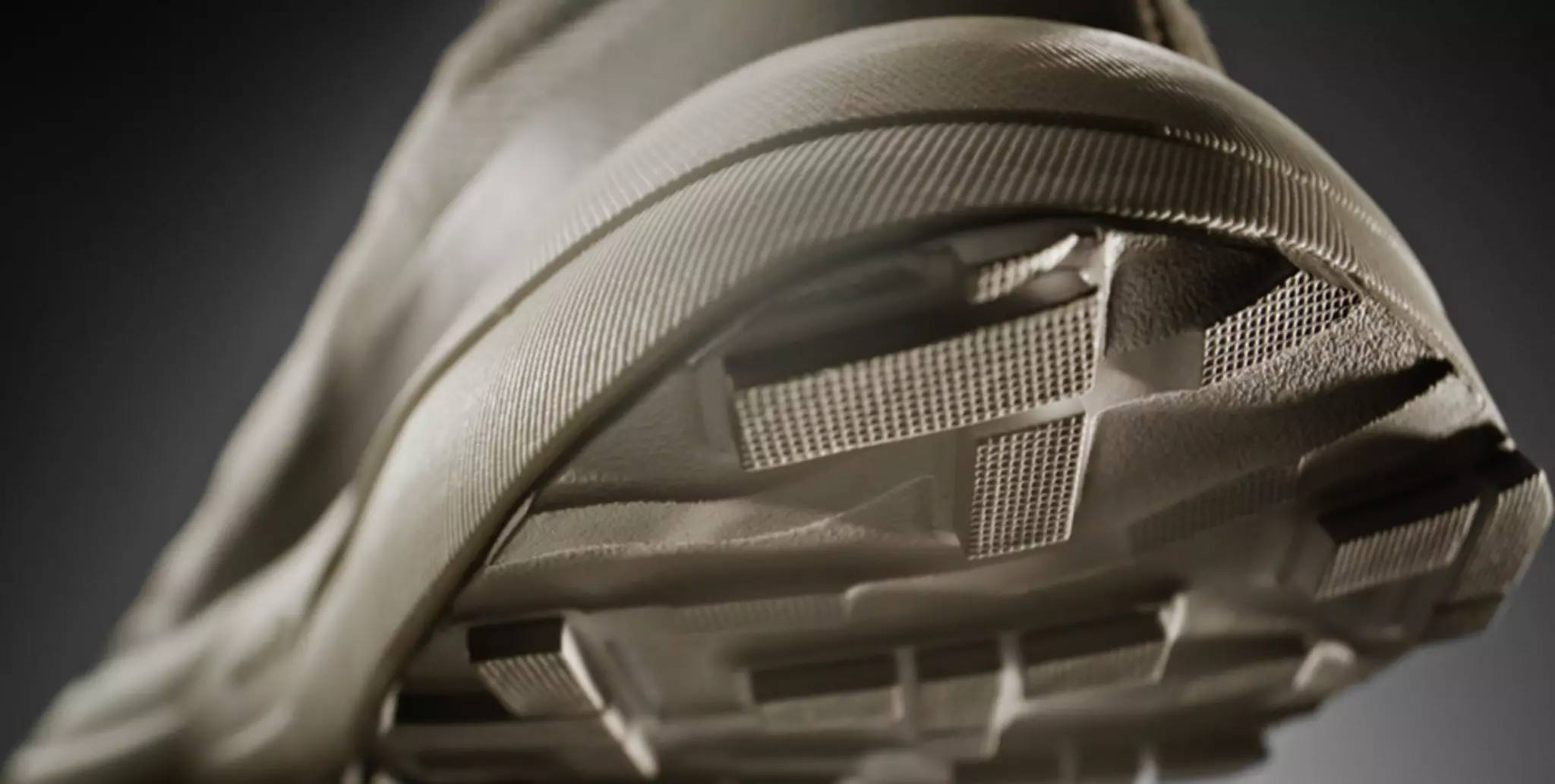
Foam materials used in midsoles are a core design element in modern trail running shoes. They determine energy return, cushioning, durability and climate performance. Traditional systems based on EVA, TPU and PEBA have enabled several generations of high-performance footwear, but they each involve functional and sustainability trade-offs. A thermoplastic copolyester elastomer marketed as Arnitel Performance is positioned as an alternative foaming material for trail footwear, combining high rebound with durability, temperature stability and the potential for recyclability.
The material is used as a 100% foam midsole in the norda 005 trail running shoe, developed by norda in cooperation with Envalior. According to the partners, this combination has enabled a very low overall shoe weight and high resilience while maintaining protection and propulsion properties required for trail applications. The concept targets extended service life in demanding use, including long-distance running and operation in a wide range of climates.
Limitations of conventional midsole foams
The source material contrasts Arnitel Performance with three established foam chemistries in running footwear: EVA, TPU and PEBA. EVA foam is described as light and cost-effective, but characterised by relatively low energy return and the need for chemical crosslinking. The crosslinking step negatively affects recyclability and overall sustainability of the system. TPU foams offer higher energy return than EVA, but show modulus drift at low and high temperatures, and also raise environmental concerns.
PEBA, a thermoplastic polyether block amide (TPE-A), is widely associated with very high rebound in so-called "super shoes". However, when midsole designs are adapted for trail conditions, where protection against sharp objects, rocks and prolonged abrasion is required, PEBA systems are characterised in the text as susceptible to a more fragile feel, implying limitations in perceived robustness at low weight targets.
For trail runners and ultramarathon users, such trade-offs can translate into relatively short effective lifetime of race-oriented models. A tester of the norda 005 quoted in the material stated: "Most race shoes are done by 150 miles. I’m 300 in and still rolling. That says it all." This illustrates the target of extending the practical mileage of lightweight, highly responsive footwear.
Arnitel Performance as a recyclable thermoplastic system
Arnitel Performance is a thermoplastic elastomer designed to foam without chemical crosslinking. As a result, it remains a thermoplastic throughout its life cycle. The absence of nitrogen-based crosslinks means that no NOx emissions occur during incineration, according to the material. At the same time, the non-crosslinked structure enables reprocessing options that are not accessible to conventional EVA foams, opening possibilities for circular economy concepts where production scrap or end-of-life components can be mechanically recycled.
The chemistry of Arnitel Performance is aligned with other grades used in applications requiring high purity and tight process control, such as materials certified for food contact, drinking water or medical use. This shared chemistry basis is presented as an advantage for controlling impurities and meeting stricter regulatory expectations in footwear manufacturing.
The portfolio also includes ECO variants incorporating up to 50% renewable raw material content, for example rapeseed oil. ISCC-certified biomass-balanced versions are available, which can be integrated into existing midsole production processes without changes in tooling or formulation. In this approach, part of the fossil feedstock in the value chain is replaced by biomass, and the resulting material is mass-balance certified.
Rebound, temperature stability and foaming process
In comparative testing referenced in the source, Arnitel Performance foam demonstrates over 80% rebound. This level is indicated as 15–20% higher than TPU and up to 5% higher than PEBA in lightweight midsole builds. A key aspect is the retention of this rebound over time and across a broad temperature window. Where TPU systems are known to stiffen in cold conditions and soften at elevated temperatures, Arnitel Performance is reported to maintain a relatively constant modulus from −20 °C up to +100 °C.
From a runner's perspective, this translates into a more consistent feel underfoot, irrespective of ambient conditions such as icy trails or high-temperature environments. This climate stability is important for trail use cases, where a single shoe can be exposed to snow, mud and hot surfaces within one event or training cycle. One norda athlete cited in the text summarised the perceived effect as follows: "The rebound just keeps giving – mile after mile. You feel it when the fatigue sets in, and it’s still springing you forward."
The foaming process used for Arnitel Performance is based on physical foaming, which allows precise control of foam density and cell structure. Designers can therefore adjust rebound and stability without necessarily resorting to very thick midsole stacks or the addition of carbon plates to achieve stiffness and propulsion. For footwear engineers, this increases the number of design variables that can be tuned at the material level, potentially reducing reliance on complex mechanical inserts.
Application in all‑terrain trail footwear
Trail running today often involves mixed surfaces, including technical singletrack, gravel roads, asphalt sections and soft forest paths in a single outing. Against this background, versatility is a key performance criterion. The Arnitel Performance foam used in the norda 005 midsole is presented as enabling a stable and propulsive platform across these surface types. This is intended to minimise the need for changing shoes between trail and road segments, reduce the amount of equipment an athlete must carry and simplify race logistics.
The user feedback quoted in the source reflects this all-terrain approach. According to one athlete: "I used to change shoes between road and trail. Now I just don’t." In the described configuration, the same foam midsole aims to provide sufficient cushioning and responsiveness on hard pavements while retaining the stability and protection required for uneven, technical terrain.
Arnitel Performance is therefore portrayed not just as another midsole foam, but as a central element of a design strategy for trail footwear that aims to combine high energy return, mechanical resilience, broad temperature stability and improved sustainability credentials. Its adoption in the norda 005 is cited as an example of implementation in a commercially available, lightweight trail shoe aimed at demanding runners and ultra-distance events.
For materials engineers and footwear developers, the system illustrates a direction in which foam chemistry is being rethought from the ground up. By avoiding thermoset crosslinking, enabling foam tuning via physical processes and integrating renewable-based feedstocks, Arnitel Performance targets running shoes that are designed to deliver long-term performance while aligning with emerging requirements for recyclability and reduced environmental impact.