Packaging fish and seafood places high demands on manufacturers in terms of product protection, extended shelf life, attractive presentation and packaging process efficiency. The delicate structure of the flesh, irregular shapes, sharp edges, the presence of moisture, short shelf life and strict hygiene requirements mean that the choice of the right packaging technology and material has a direct impact on product losses, economic profitability and the reduction of food waste. German film manufacturer Südpack has developed two specialized product families for this purpose: the SKINPro vacuum skin system and the Multifol Extreme thermoformable films, tailored to the specific requirements of highly perishable, sensitive fish and seafood products.
Requirements for fish and seafood packaging
In day-to-day production, a very diverse range can be processed, from fresh salmon fillets and tuna chunks to whole gilt-head bream, smoked trout, cleaned crayfish and mussels with sharp edges, as well as shrimp skewers. Each of these products places different demands on packaging films in terms of conformity to shape, puncture resistance and dimensional stability.
The package must provide a tight seal even if the sealing area is contaminated, resistance to mechanical loads and an integrated oxygen barrier to help extend shelf life. At the same time, from a resource management perspective, reducing material usage while maintaining full packaging functionality and appropriate presentation at the point of sale is gaining importance.
In the fish and seafood segment, the dominant technologies are skin packs, modified atmosphere packaging MAP and vacuum packs. The choice of material structure and pack format affects not only product protection, but also the efficiency of packaging lines and compliance with recyclability requirements.
The SKINPro system for demanding fish applications
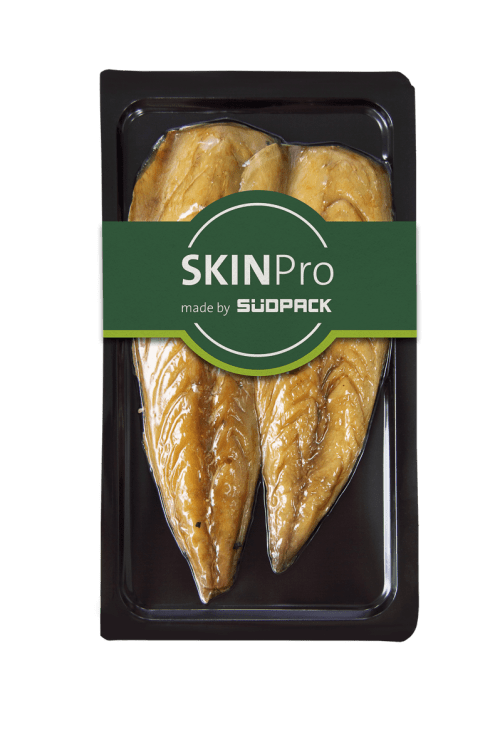
SKINPro is a vacuum skin system developed by Südpack specifically for products such as shrimp skewers, salmon fillets and whole fish. The solution consists of a thin skin top film and matching bottom films, designed as a compatible system. The top film closely wraps the product like a second skin, enabling secure and stable packaging even in the case of high product protrusions, sharp or pointed contours and deep undercuts.
The product is held securely on the bottom film, which reduces juice leakage and enables flat, upright or hanging presentation at the point of sale. A key factor is the removal of oxygen from inside the package, ensuring reliable seal integrity and the use of an appropriately selected barrier, which together contribute to extended shelf life.
As bottom films, Südpack offers structures based on PE, PP and APET, dedicated to working with the SKINPro film. They are designed for reliable sealing and pack stability. The portfolio also includes bottom films made from corresponding mono materials that meet recyclability requirements, which facilitates the integration of such packs into circular economy systems.
All SKINPro material structures provide stable processing on skin packaging machines. The system is adapted to typical machine solutions used in the fish and seafood industry, enabling high repeatability of seal quality and reducing downtime related to process issues.
An important aspect of the SKINPro system is also the optical quality of the pack. The top film provides a wrinkle-free surface, increased transparency and gloss, which translates into maximum product visibility and a fresher, more premium appearance of the final product on the shelf. Smooth, clean opening of the pack further reinforces the positive consumer experience and facilitates use in domestic conditions.
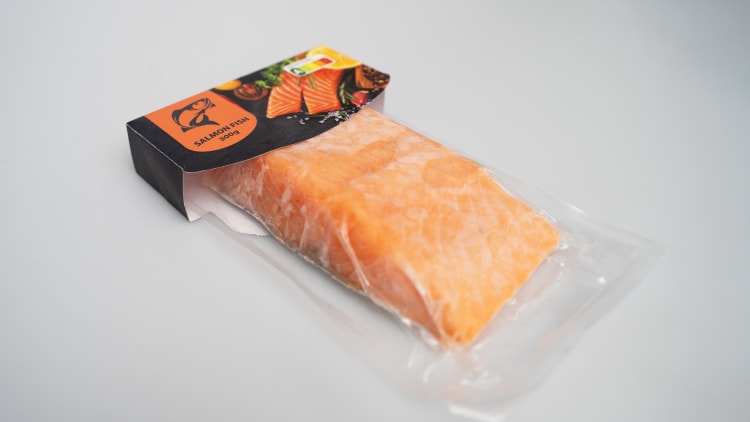
Multifol Extreme films for demanding thermoforming applications
Multifol Extreme is a proven flexible film from the Südpack portfolio, designed for applications that require high functionality with reduced material weight. Thanks to very good sealing properties and high puncture resistance, films in this family are intended for MAP or vacuum packaging of fatty and protein-rich products as well as items with sharp edges, such as fresh salmon fillets, white fish, herring portions and frozen fish products.
The applied structure enables a reduction in raw material consumption compared with conventional PA/PE films. Multifol Extreme is about 30% lighter than traditional structures, which translates into benefits across the entire logistics chain, from transport of film reels and storage through to management of packaging waste on the end user side.
For example, a Multifol Extreme film with a thickness of 150 µm can replace a standard thermoforming film with a thickness of 200 µm without any deterioration in protective performance for the product. Further material savings are possible by combining a Multifol Extreme base film with a lidding film from the same product family, allowing additional optimization of pack weight while maintaining its function.
Despite the reduced thickness, the pack provides adequate protection for the highly perishable products inside. The structure is designed with barrier requirements and mechanical strength in mind, which are important for both fresh and frozen fish products.
From the perspective of packaging processes, a significant advantage of the Multifol Extreme concept is its very good thermoforming properties, enabling deep drawing and the formation of packs with diverse shapes while maintaining wall stability. The film retains good processability on standard thermoforming packaging machines, which facilitates implementation on existing production lines without the need for major equipment modifications.
Material selection as a tool for loss reduction
Both the SKINPro system and Multifol Extreme films demonstrate that a properly designed packaging structure can serve as an important tool for reducing losses in the fish and seafood segment. Increased puncture resistance, ensuring tight sealing under contaminated sealing conditions and matching gas barrier parameters to the specific product help to reduce the share of rejects and complaints, thereby improving the competitiveness of manufacturers.
In addition, the use of lighter material structures such as Multifol Extreme makes it possible to reduce raw material consumption while maintaining the required level of food protection. Solutions based on mono materials in the SKINPro system align with growing expectations regarding packaging recyclability. As a result, the selection of an appropriate film becomes part of both the quality and environmental strategies of companies operating in the fish and seafood processing industry.