Indonesia, as the largest economy in Southeast Asia, holds a privileged position as one of the fastest growing consumer markets in the world. Rapid urbanization, rising purchasing power of young consumers who prefer more advanced and environmentally friendly products, and government policies supporting industrialization promote the implementation of intelligent manufacturing processes and sustainable technologies. Despite challenges arising from external factors, the country maintains its position as one of the regional leaders, particularly in the market for plastics and rubber products. With the support of public policies and the domestic petrochemical sector, plastics processing is regarded as a key growth driver for leading industries such as packaging and automotive.
According to a report by IMARC Group, the Indonesian plastics market is expected to grow at a compound annual rate of around 6% in the period 2025-2033, which should translate into a value of around USD 14 billion in 2033. The main contribution to this growth comes from increasing demand from diverse end-use sectors, in particular packaging and the automotive industry. In addition, the current pace of urbanization, which stimulates infrastructure development, increases plastics consumption in construction and residential applications, further strengthening Indonesia's share in the regional plastics market.
In terms of processing technology, injection molding retains a dominant position with a share close to 50% in the domestic plastics products market. This is due to its versatility in the production of packaging, automotive components and household goods. Extrusion ranks next and is widely used in the production of films, pipes and profiles. Blow molding is used mainly for the manufacture of beverage containers, packaging for cosmetics and personal care products and other similar applications.
EPR regulations drive investment in sustainable packaging
The Indonesian plastics industry is intensifying its efforts towards a circular economy in view of the entry into force of mandatory extended producer responsibility (EPR) regulations in 2025. EPR rules require producers to manage plastic packaging waste along the entire supply chain in order to reduce its environmental impact. Ongoing preparations to comply with EPR requirements are generating demand for intelligent production technologies and materials with a more favorable environmental profile, enabling the manufacture of so called green packaging.
In response to these challenges, a number of strategic investments are being implemented in modern production facilities, which strengthen the foundations for the development of the packaging sector. One example is the cooperation between AeroFlexx and Dynapack Asia, aimed at delivering sustainable liquid packaging solutions in line with EPR requirements. The AeroFlexx technology allows the production of lightweight, flexible packaging that maintains functionality similar to rigid bottles while using up to 85% less virgin plastic than traditional containers. The partnership with Dynapack Asia, one of the leading manufacturers of rigid plastic packaging and components, is intended to address the growing demand for more sustainable alternatives to conventional rigid solutions.
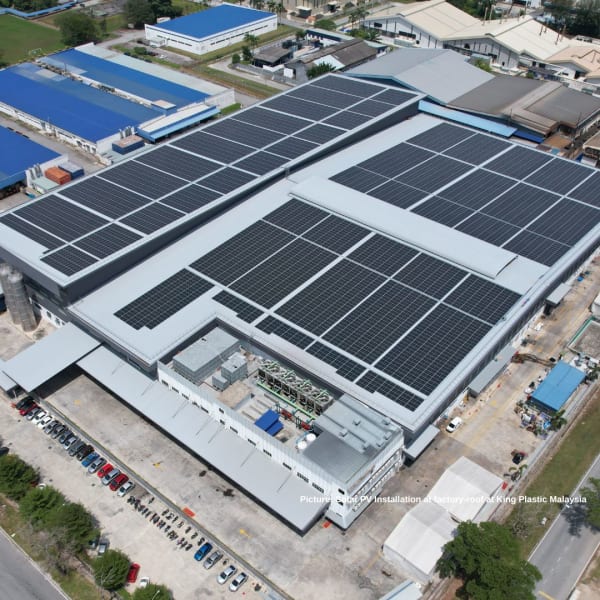
AeroFlexx and Dynapack Asia are cooperating on sustainable liquid packaging in response to EPR requirements.
New capacities have also been added in the aseptic packaging segment. The ceremonial start up of the second phase of the PT Lami Packaging Indonesia plant, owned by LamiPak Indonesia, marks the commissioning of the country's first fully integrated aseptic packaging factory. LamiPak is a supplier of high quality, environmentally friendly solutions in this segment. The facility is also the first international investment of the LamiPak Group, whose main headquarters is located in Jiangsu Province, China. The plant covers an area of 16.2 hectares, with buildings exceeding 55,000 m², and is equipped with an advanced machinery park, which makes it the most modern greenfield facility built so far by LamiPak. The production line has a total annual capacity of 21 billion packs.
Indonesia, as a major emerging economy, is also active in cooperating with international partners to develop sustainable packaging. One example is PT Indoceria Plastik and Printing, which in cooperation with ExxonMobil has introduced fully recyclable full PE packaging to the market. By eliminating other polymer components, such as PET, while maintaining the required mechanical integrity, the stand up pouch made entirely of PE can be recycled in systems that have infrastructure for collecting and processing plastic films.
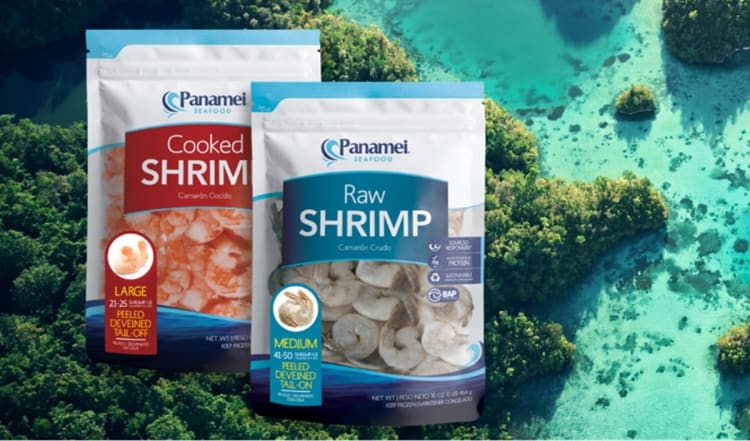
PT Indoceria Plastik and Printing has introduced fully recyclable full PE packaging to the market.
Automotive sector benefits from lightweight plastic solutions
The Indonesian government has set an ambitious target of deploying 2 million electric vehicles and 12 million electric two wheelers by 2030 to help reduce carbon dioxide emissions. The development of the domestic electromobility market is attracting foreign manufacturers of electric vehicles, bringing benefits to local component producers. Replacing metals with plastics supports the implementation of vehicle lightweighting strategies, which is particularly evident in Indonesia, where high performance requirements are combined with aesthetic demands.
Manufacturers from China, whose products combine functional solutions with competitive pricing, occupy an important position in the electric vehicle market. Wuling Motors Indonesia, which in 2025 celebrates its eighth year of presence on the market, confirms its intention to continue introducing new models for Indonesian users and is implementing various initiatives, including exports of electric vehicles to Sri Lanka and the development of corporate social responsibility programs. The success of Wuling Indonesia is strengthened by the presence of production plants and assembly facilities for electric vehicle batteries in the country. Wuling Motors has recently launched the Wuling Darion model, a new product line in the segment of medium sized MPVs with sliding doors, presented at the Spike Air Dome PIK2 venue. This is an important step in the implementation of Wuling's electrification strategy in Indonesia.
Cooperation between the state owned defence manufacturer PT Pindad and the South Korean car maker KG Mobility (KGM) is also of major importance. In May 2025, the two companies signed a Heads of Agreement covering vehicle production for the Indonesian market. The agreement focuses on two areas: local assembly of KGM's Rexton SUV and the development and production of battery powered buses for the domestic market. The signing ceremony took place at Pindad's headquarters in Bandung, West Java Province, and was attended by KGM chairman Kwak Jea sun, KGM CEO Hwang Ki young and Pindad CEO Sigit P. Santosa.
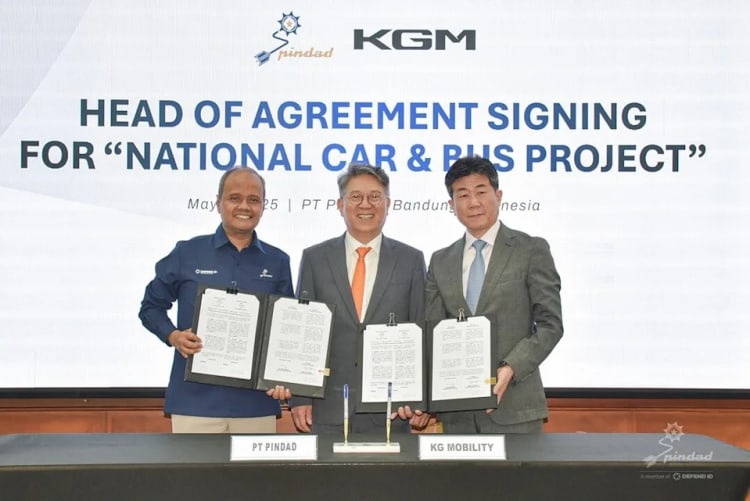
KG Mobility and PT Pindad have signed an agreement covering vehicle production for the Indonesian market.
Another partnership has been formed between Indonesian consumer electronics manufacturer Polytron, belonging to the local Djarum Group, and China's Skyworth Automobile Intelligence Company. The goal is to introduce a locally assembled battery electric vehicle model to the market. Polytron, previously known as a producer of televisions, refrigerators, air conditioning systems and other household appliances, has also started producing electric motorcycles. The company has become the first Indonesian entity to launch a locally branded BEV based on the Skyworth K model, with a declared driving range of 402 km and powered by 52 kW lithium iron phosphate (LFP) batteries.
HLI Green Power is a subsidiary of Hyundai Motor Group in Indonesia that manufactures battery cells. Under this subsidiary, mass production of the Kona electric model is planned to start. The project is seen as an important stage in the development by Hyundai Motor of an integrated overseas production and sales system that covers the entire value chain from the supply of battery raw materials to the final assembly of the electric vehicle.
Importance of Chinaplas 2026 for the plastics market in Southeast Asia
In the context of growing demand for innovative materials and plastics processing technologies, the Chinaplas 2026 trade fair, the leading plastics and rubber exhibition in Asia, is of particular importance for the region. More than 4,600 exhibitors will present their latest solutions supporting the technological development of the rapidly growing plastics sector in Southeast Asia. Manufacturers of packaging and automotive components will be able to see demonstrations of advanced production systems, new processing technologies and high performance polymer materials that help maintain competitiveness and address market challenges, including increasing requirements in terms of sustainability and material efficiency.