SABIC announced the launch of Noryl V0150TW and V0150IR2 resins, which the company describes as the first laser-weldable thermoplastics intended for photovoltaic applications. Noryl V0150TW, in an absorptive version, and Noryl V0150IR2, in a transmissive version, are designed to combine flame retardancy with very good weatherability and sealing performance. According to the manufacturer, these materials can simplify the production of PV microinverters and other components while increasing their reliability and stability in outdoor applications. The new grades recently received the Silver 2026 Edison Award, a distinction granted to innovative solutions on a global scale.
As SABIC emphasizes, the growth of solar energy requires materials that support high-volume manufacturing while meeting rigorous operating requirements. Sergi Monros, vice president of the Polymers, Specialties BU at SABIC, said: "To address expanding global adoption of solar energy, SABIC is developing new specialty materials that expedite mass production of components and meet rigorous performance requirements. Our laser-weldable Noryl V0 resins offer important advantages over metals and polymers traditionally used for enclosures, from faster, cleaner assembly to longer service life under harsh conditions. We are confident that these unique materials will help increase the availability and adoption of photovoltaic infrastructure."
Properties for PV component housings
Microinverters convert direct current generated by a solar installation into alternating current. As outdoor components, they require housings that provide effective flame retardancy, weatherability and adequate mechanical integrity. According to SABIC, the new Noryl V0 resins meet these requirements through thin-wall flame retardancy at UL94 V0 5VA at a thickness of 1.5 mm, weatherability enabling outdoor service for up to 15 years, and retention of mechanical integrity up to 150°C.
Compared with metal, these materials can reduce part cost by up to 40 percent, lower weight by up to 35 percent, and reduce material use by up to 30 percent. The company also indicates that the use of these plastics can support microinverter manufacturers in increasing output as global demand for solar energy grows.
Shift from ultrasonic welding to laser welding
One of the key aspects of the new materials is the possibility of shifting from ultrasonic welding to laser welding. According to SABIC, this change can accelerate assembly and improve production economics. The company states that laser welding eliminates curing-dependent bonding materials used in ultrasonic welding, which helps reduce cycle times and lower system costs.
In addition to microinverters, Noryl V0 resins are also intended for housings of solar tracker boxes, junction boxes and solar optimizers. The products are available globally.
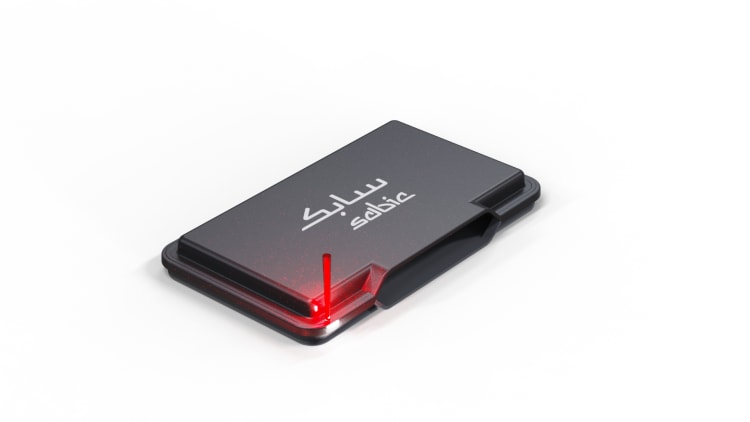
The new Noryl V0 resins, recently recognized with the Silver 2026 Edison Award, provide laser welding capability, thin-wall flame retardancy and very good outdoor durability of up to 15 years.