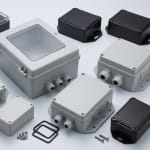
According to Growth Market Reports, the global plastic enclosures market reached a value of USD 7.1 billion in 2024. Forecasts indicate that between 2025 and 2033 it will grow at a compound annual growth rate (CAGR) of 5.2%, which should translate into an increase in value to USD 11.3 billion in 2033. This growth is driven by the increasing adoption of plastic enclosures in electronics, industrial automation and telecommunications, where low weight, corrosion resistance and competitive costs compared to traditional metal enclosures are decisive. Market expansion is also influenced by rapid technological progress and the advancing miniaturization and modularity of electrical and electronic systems.
The plastic enclosures market has become an important segment within the broader value chain of the materials industry and electronics manufacturing. These enclosures provide protective housings for electrical, electronic and mechanical components, shielding them from environmental factors such as dust, moisture, elevated temperatures and exposure to chemicals. They are used, among others, in telecommunications, healthcare, automotive, industrial automation and consumer electronics.
Key drivers of market growth
Rising demand for electronics and electrical equipment
One of the main drivers of the plastic enclosures market is the rapid growth of the electronics and electrical sector. As the use of consumer electronics, industrial control systems and smart devices increases, demand is growing for protective enclosures that ensure operational safety and functionality of devices.
Plastic enclosures are widely used in printed circuit boards, control panels, sensors and communication devices. Their ability to provide electrical insulation and resistance to environmental hazards makes them difficult to replace in modern electronic applications.
Development of industrial automation
Automation of industrial processes has gained significant momentum in recent years, driven by the need to improve efficiency, productivity and safety in production plants. Plastic enclosures are extensively used in automated systems to house control units, sensors and monitoring equipment.
The low weight of these enclosures and the ease of adapting them to the requirements of industrial applications support integration in complex automation systems. As automation continues to spread across additional industrial sectors, demand for plastic enclosures is expected to remain on an upward trend.
Expansion of telecommunications infrastructure
The global rollout of advanced communication technologies, including 5G networks, is generating increased demand for telecommunications equipment. Plastic enclosures play a key role in protecting network components such as routers, switches and base stations.
In particular, resistance to weather conditions and durability of enclosures used in outdoor installations are becoming more important, which further supports market growth. With the continued expansion of telecommunications networks, especially in emerging economies, the plastic enclosures segment has long-term growth prospects.
Increasing use in the healthcare sector
The medical sector is also an important user of plastic enclosures. These components are used in medical equipment, diagnostic devices and patient monitoring systems. Their non-conductive properties and resistance to chemicals make plastic enclosures a suitable solution for many healthcare applications.
Rising demand for portable and home-based medical devices translates into growing needs for compact and reliable plastic enclosures.

Challenges for the plastic enclosures market
Environmental and regulatory conditions
The environmental impact of polymer materials is a significant challenge for enclosure manufacturers. Stricter regulations on the use of plastics and waste management affect market operations and may require changes in raw materials, manufacturing technologies and post-consumer waste management strategies.
Competition from alternative materials
In some applications, metal and composite enclosures offer higher mechanical strength and durability, which constitutes competition for plastic solutions. The choice of enclosure material depends on operating requirements such as impact resistance, extreme temperatures or mechanical loads, which in some market segments limits the share of plastics.
Volatility of raw material prices
The prices of raw materials used to produce plastics are subject to fluctuations, which affects production costs and margins of enclosure manufacturers. Volatility in raw material markets can make long-term planning more difficult and force optimization measures in procurement and product design.
Development prospects and technological trends
Forecasts by Growth Market Reports indicate that the development prospects of the global plastic enclosures market remain positive. Growing demand in many industrial sectors will be supported by further technological progress, including the integration of smart solutions, the development of more sustainable materials and the use of advanced manufacturing techniques.
With the ongoing digitalization and automation of industrial processes, demand is increasing for reliable, efficient and easy-to-integrate protective solutions for electrical and electronic components. Thanks to design flexibility and a broad range of performance characteristics, plastic enclosures are well positioned to meet these changing market requirements.
Competitive structure of the market
The global plastic enclosures market includes a number of significant manufacturers, encompassing both international groups and specialized industry players. The leading companies listed in the report include:
- Schneider Electric
- Hammond Manufacturing
- OKW Enclosures
- Phoenix Contact
- Fibox Oy Ab
- Rolec Enclosures
- Bopla Gehäuse Systeme GmbH
- Bud Industries
- Legrand
- Rittal GmbH & Co. KG
- ABB Ltd.
- Siemens AG
- Curtis Instruments
These companies offer a wide range of plastic enclosures for various applications in electronics, automation, telecommunications and the medical sector, competing in terms of design, technical parameters and adaptation to specific end user requirements.