Practical yet sustainable packaging is becoming an increasingly strong sales argument in the wine segment as well. This is particularly evident in Northern Europe, where acceptance of lightweight, shatterproof PET bottles with a high recycled content is growing. Market studies confirm this direction, indicating that appropriately designed packaging can help reach new consumer groups and strengthen the image of wine brands.
According to the Wine Packaging Market Report 2024 prepared by IMARC Group, the global wine packaging market is driven by rising demand for sustainable and lightweight solutions. In parallel, the Sustainable Product Packaging study by consultancy Simon-Kucher highlighted that 63 percent of respondents perceive brands using sustainable packaging more positively. For wine producers and retailers this means real potential for additional business based on alternative packaging formats.
In this context, PET bottles, characterized by low weight, a favorable energy balance and high recyclability, fit the current criteria of sustainable packaging. At the same time, they lower barriers to entry for new consumers and facilitate logistics throughout the supply chain. Examples of implementations in the Nordic countries show that changing the packaging material can translate into both an expansion of target groups and a reduction of the carbon footprint.
New packaging format, new customer groups
In current practice, sustainable packaging is defined primarily by low weight, an advantageous energy balance and high recyclability. PET bottles meet these criteria and are becoming an alternative to glass in segments where mobility, ease of use and a lower environmental footprint are important.
Experience from the Nordic countries shows growing consumer acceptance of such solutions. Heidi Melén-Aalto, Director of Packaging Design & Development at Anora, a leading wine and spirits brand house in the Nordic region headquartered in Helsinki, notes: "Consumer response to PET wine bottles is generally positive, especially among environmentally conscious, convenience focused, and younger wine drinkers. When consumers understand that PET is safe, recyclable, low in CO2 emissions, and does not compromise taste for short term wines, acceptance grows significantly."
Lowering the entry threshold for new users is also an important factor. The light weight and shatter resistance make PET bottles easier to use in situations where glass is less practical. "PET bottles do help reach new target groups. Their light weight and unbreakable design appeal to more casual wine drinkers and people with on the go lifestyles. PET’s strong sustainability story attracts eco conscious consumers looking for lower impact choices," adds Melén-Aalto.
As a result, wines filled into PET bottles reach a broad spectrum of buyers, from price-sensitive and eco-oriented consumers, through those who drink wine outdoors, at events and on the go, to older people for whom heavy glass bottles are becoming increasingly difficult to handle in everyday use.
Additional design options and new applications
Compared with aluminum cans or bag-in-box systems, PET bottles offer significantly greater flexibility in designing shape, surface and color. This enables the creation of non-standard forms that make wine stand out on the shelf and improve brand visibility in competitive sales channels. Distinctive designs can attract consumers for whom the appearance of the packaging plays a key role in purchasing decisions.
Non-standard volumes such as 330 ml or 187 ml are also important, as they open up new application fields, including air travel, catering, mass events and promotional activities. Solutions such as integrated handles, dosing aids or specialized closures can support the creation of new consumption occasions beyond the traditional context of wine drinking.
Custom designed PET bottles can become an integral part of brand identity, communicating values such as modernity, urban character or experimental positioning within the category. For producers this means the ability to build recognition not only through the label, but also through the shape and functionality of the packaging itself.
Lightweight bottle, simple implementation process
An example of a market-ready solution is a PET bottle with a classic, elegant Bordeaux shape developed by Austrian manufacturer Alpla. The bottle weighs just 50 g, which translates into lower energy use over the entire life cycle compared with glass, and at the same time it can be produced entirely from recycled material.
Depending on the share of recyclate, CO2 emission savings of up to 50 percent versus a traditional glass bottle are possible. Even in a variant without recyclate, emissions remain 38 percent lower than for glass. The first generation of the PET bottle does not require additional coating and maintains high wine quality for up to six months. A version featuring an ultra-thin silicon dioxide coating, currently under testing, is expected to further extend product shelf life. Both bottle variants are fully recyclable in existing PET recycling systems.
The Alpla PET bottle is compatible with standard aluminum closures and can be used on conventional filling lines with typical volumes such as 1 l, 0.75 l and 187 ml. Necessary adjustments, including to feeding systems, pressure parameters and minor settings, are relatively simple and, with proper preparation, can usually be completed in around half a day.
Filling speeds are slightly lower compared with glass bottles, but the compression force required to crimp aluminum closures on PET bottles, at 700–800 N, is significantly lower than for glass. This may be relevant for machine component loads and the energy demand of the capping process.
Six volume options from 1.5 l down to 187 ml are available, and customized designs are technically feasible. From an economic standpoint, the use of PET becomes viable at batch sizes of around 50,000–100,000 units, with potential cost savings of up to 30 percent compared with equivalent glass packaging, depending on energy and raw material prices.
Broader applications and outlook for PET bottles
Such PET bottles are suitable for filling white and red wines, non-alcoholic variants, spritz drinks, certain spirits and juices, provided that hot filling is not required. Low weight, mechanical robustness and good palletization properties simplify logistics and warehousing at subsequent stages of the supply chain.
Currently, the Alpla PET bottle is available in Austrian retail chains under the wine brand Heuriger from producer Wegenstein. Further products and market launches are announced, which may contribute to wider adoption of this format in the segment of young wines and special editions.
An increasing number of wine producers view PET as a supplement to their existing packaging strategies, used for wines intended for quick consumption, limited editions or marketing projects. The benefits include lower costs, a reduced carbon footprint and fully recyclable packaging with a recycled content of up to 100 percent. As Heidi Melén-Aalto concludes: "Together, these trends position PET as a mainstream future format, not a niche."
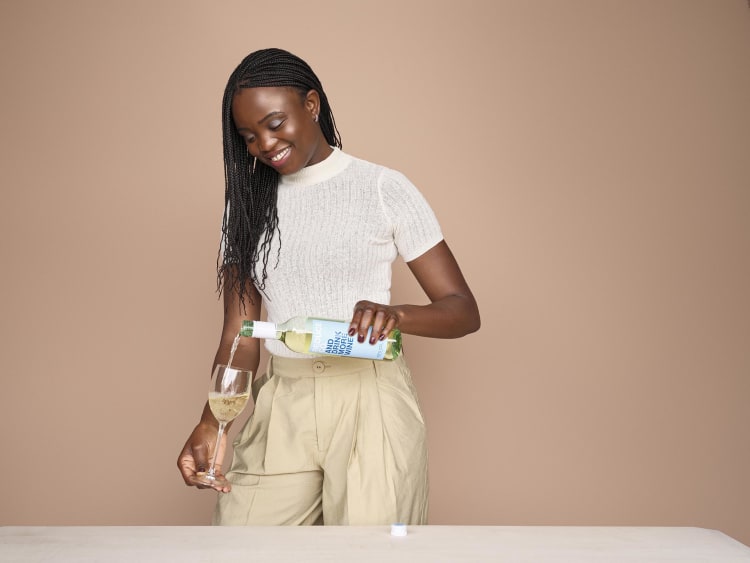
Lightweight, sustainable and shatterproof PET bottles are gaining importance in the wine segment as well, enabling producers and retailers to reach young, mobile and environmentally conscious consumers.