Time pressure and high requirements are part of the daily work of designers involved in tool and mould manufacturing. In response to these challenges, Meusburger has presented the “Design at the push of a button” campaign, aimed at accelerating and structuring the design process through digital tools, configurators and extensive use of standard parts. According to the company, these solutions are intended to reduce the number of manual operations, minimise the risk of errors and support users at successive stages of design work, from mould base design to die set design. The campaign includes both applications for configuring technical solutions and tools supporting work directly in the CAD environment. Meusburger also emphasises the importance of standardisation, which in toolmaking affects process repeatability, spare parts availability and easier maintenance and repairs over a longer operating period.
One example indicated by the company is the hot runner configurator. This solution makes it possible to select manifold types and modify nozzle position and size in order to adapt the system to individual project requirements. This type of approach is intended to facilitate the implementation of complex designs in the shortest possible time, while maintaining consistency of design data and reducing manual work. In practice, this means shortening the documentation preparation stage and making it easier to move from concept to a finished model used in further design and production work.
Integration with CAD systems
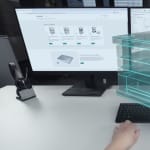
An important element of the offering is Meusburger’s CAD-Tool, which provides direct access to a library of standard parts. The company states that users can work with configurable models together with installation spaces, as well as with wizards intended for the design of moulds and die sets. This solution is intended to organise design work and reduce the time needed to prepare models. Additional features include regular updates, offline operation and compatibility with various CAD systems.
For users of the Siemens NX environment, Meusburger has prepared NX-Tool. This tool is intended to enable a consistent design process directly within the CAD system being used, without the need to leave the familiar working environment. According to the company, this approach supports efficiency and facilitates the integration of design data into the daily practice of design offices.
The role of standardisation
Meusburger points out that a high degree of standardisation remains one of the key factors in tool manufacturing. The use of standard components is intended to reduce the workload related to maintenance and repairs and ensure the long-term availability of spare parts. In the company’s view, the consistent use of standard parts translates into production reliability and higher process safety, also over the long-term service life of tools.
This working model is particularly important wherever repeatability of design solutions and ease of subsequent servicing matter. Standardisation also supports the organisation of design and production processes, because it enables the use of proven components and previously prepared technical data.
Configurable product solutions
In addition to digital tools, Meusburger also offers product solutions configured directly in the company’s portal. After defining the parameters, the relevant 3D data are generated automatically and prepared for export. The company points here, among others, to the E 1860 accelerating two-stage unit, intended for the precise movement of two ejector plate sets. The parameters of this solution can be defined individually, and the finished CAD data are available for direct use in the project.
Another example is custom springs. The user specifies the required compression spring and the installation position, in the preloaded state, in the end position or at a selected point of the tool stroke. After a few seconds, the system automatically generates CAD data and makes them available in three visualisation variants. According to the company, solutions of this type are intended to support designers in shortening project lead times, increasing process safety and improving efficiency throughout the entire service life of the tool.