Cafés Méo, the flagship brand of French roaster Méo-Fichaux, is gradually replacing conventional PET and aluminium-based flowpack packaging with polyethylene solutions designed according to the design for recycling principle. The new PE flowpacks from adapa have been in use since mid-2025 and were developed to meet the future requirements of the PPWR regulation for 2030, while maintaining coffee quality and shelf life and ensuring compatibility with existing packaging lines. The roaster's decision is part of a long-term corporate responsibility strategy and reflects growing consumer expectations regarding the environmental impact of packaging.
Strategic early transition to design for recycling packaging
Cafés Méo, as one of the best-known brands of Méo-Fichaux, France's largest independent coffee roaster, has implemented polyethylene design for recycling flowpacks as an alternative to the previously used PET/Alu/PE structures. The early switch to the new solution is part of a carefully planned strategy of this family-owned company, in which CSR has been an integral element for decades.
As consumers increasingly focus on the environmental consequences of their purchases, the search for a recyclable packaging solution without compromising product quality was an obvious direction for the company. With polyethylene flowpacks from adapa, Méo has obtained a solution that could be integrated into existing production processes with minimal modifications, enabling a controlled implementation without the time pressure associated with the entry into force of PPWR.
adapa support in the transition to design for recycling
adapa, a European supplier of flexible packaging, supports customers in a structured transition to design for recycling solutions. The group offers a broad portfolio of design for recycling packaging materials based on PP, PE or paper for a wide range of applications. Its activities focus on combining sustainability requirements with the process needs of food manufacturers and other sectors.
Benjamin Leviez, product manager France at adapa, highlights the importance of starting such projects sufficiently early: "Thanks to our many years of experience, we know that switching packaging to design for recycling can take time, especially for products that require longer shelf lives and extensive process testing. By starting the transition with customers now, we can avoid rushed, short-term changes just before the strict PPWR regulations come into force. We see ourselves as a partner who develops the right packaging solution for a long-term future."
In this way, adapa combines effective product protection with the promotion of a transition to a circular economy for flexible packaging. For companies that want to be pioneers in CSR and see their commitment to sustainability as part of their brand strategy, an early transition offers additional benefits, including better preparation for upcoming regulatory requirements.

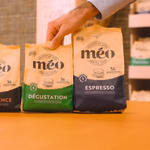
Cafés Méo's coffee pad portfolio packaged in adapa's MonoFlow(re) E-type, a PE-based, designed-for-recycling flowpack film.
Five years of joint development of PE solutions
Over a total development period of five years, the Cafés Méo and adapa teams worked together as partners, testing and gradually optimising successive packaging variants. Based on PE, MDO-PE and BOPE structures, partly produced in-house by adapa extrusion, they were able to provide films suitably adapted to the roaster's different production lines.
adapa's advanced knowledge of polyethylene properties and its experience in tailoring materials to the specific requirements of packaging machinery played a key role in matching films to Cafés Méo's products and plant set-up. Alice Roussaud, product manager at Cafés Méo and one of the main people responsible for the project, summarises the outcome: "The Méo pads are the first products to be packaged according to the 'design for recycling' principle and are already on the market. This clearly positions us as an innovator and pioneer in the industry. With the early introduction of 'mono solutions', we are consistently continuing our corporate philosophy, whose success, with a history spanning more than 120 years, is based on the pillars of taste, accessibility and engagement."
Coffee packaging requirements and PPWR regulations
Coffee, one of the most widely consumed beverages worldwide, places high demands on packaging. Materials must effectively protect the product from oxygen, moisture and light while ensuring barrier integrity and tightness. High-quality printing is also crucial to present the brand adequately at the point of sale.
These properties have traditionally been achieved by using film structures that combine PET and aluminium, such as PET/Alu/PE. With the entry into force of the PPWR and its ambitious targets for 2030, such multi-material constructions that are not recyclable must be replaced by packaging designed for recyclability and compatible with existing recycling streams.
adapa develops solutions in close cooperation with customers and a network of packaging machine manufacturers. This model of collaboration is particularly important when switching to new design for recycling materials, as in the case of Méo. The implementation of polyethylene flowpacks required only minor adjustments to the existing packaging equipment, allowing the usual process efficiency to be maintained.

Drivers behind the success of the project: Alice Roussaud (Cafés Méo), Benjamin Leviez (adapa), Pierre-François Henry (Cafés Méo), Augustin Caresmel (adapa)
Long-term cooperation and roadmap towards 2027
Some 30 years of collaboration between Méo and adapa have helped build a relationship of trust, which supports the implementation of demanding projects such as the current transition to design for recycling. For Cafés Méo, the change of coffee pad packaging to PE flowpacks from adapa is the first step in a broader transformation that is intended to meet consumer expectations while remaining consistent with the family company's CSR approach.
By 2027, the entire Cafés Méo coffee range, comprising around 50 products, is to be offered in recyclable packaging. This will enable the brand to be fully prepared for the entry into force of new legislative requirements for packaging, including those arising from the EU Packaging and Packaging Waste Regulation.
PPWR 2030 – key requirements for plastic packaging
The Packaging and Packaging Waste Regulation (PPWR) introduces significant sustainability targets for packaging from 1 January 2030. It requires, among other things, that all packaging be recyclable or reusable. From 2030, packaging will also have to achieve at least performance level C (70 percent) in terms of recyclability, and binding minimum recycled content requirements will apply to plastic packaging. Companies will also be required to reduce the weight and volume of their packaging.
Profile of Cafés Méo and adapa
Cafés Méo is one of the best-known brands of Méo-Fichaux, France's largest independent coffee roaster. As a family business in which expertise is passed down from generation to generation, Méo bases its mission on three key pillars: taste, accessibility and engagement. Its aim is to offer consumers an authentic coffee experience without compromising on taste or quality.
The adapa Group is a European partner for flexible packaging solutions. The company adapts its portfolio to the changing needs of customers in various segments, from food to healthcare, and offers solutions designed for process performance and circularity. adapa's expertise has developed over several decades, from a group of family-owned companies to a leading European supplier of flexible packaging.

Cafés Méo's new PE design for recycling flowpack film from adapa on the packaging line.