Europe’s recyclate market is entering a new phase of development. With rising regulatory requirements and limited availability of high-quality recycled raw materials, companies are increasingly using mergers and acquisitions alongside technology investments. Consolidation is becoming an important factor in building production scale and supply stability. At the same time, the sector remains sensitive to the price relationship between virgin and secondary polymers. Periods of low virgin polymer prices can reduce the competitiveness of recycled materials, affecting demand and investment decisions. Maciej Słojewski, Group Communications Manager at Cedo, explains why access to recyclate is becoming one of the more important elements of competitive advantage.
Behind the discussion on increasing recycled content in products, there is a clear gap between regulatory ambitions and the actual availability of raw material. This concerns not only volumes but, above all, the quality of material, which must meet specific parameters to be used in manufacturing processes. For plastics, an additional challenge is the variability and contamination of post-consumer waste streams, which translates into limited consistency and a smaller share of fractions that can be processed effectively.
Market under pressure: feedstock shortages and a systemic gap
Maciej Słojewski points to the simultaneous impact of two factors: growing requirements for recycled content and constraints on the supply side of material with suitable properties.
"The recyclate market in Europe is currently at a very demanding point. On the one hand, regulatory requirements regarding the share of recycled materials in products are increasing; on the other, the availability of raw material of adequate quality is limited. In the case of plastics, a major challenge is the nature of post-consumer waste, it is diverse, often contaminated and non-homogeneous, which means that only part of it can be processed effectively and used in production" he says.
As he emphasises, raw material quality is becoming one of the key constraints on market development. "In practice, this means companies are no longer competing only with products but also with access to stable and repeatable material streams. This changes the way the entire value chain is viewed, from waste collection to the finished product" he adds.
Consolidation as a response to market constraints
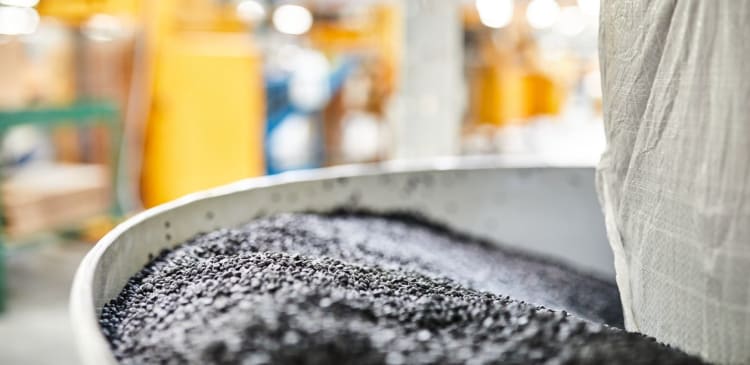
In response to these conditions, some companies are treating mergers and acquisitions as a tool to strengthen control over recyclate quality and availability. Integrating capabilities related to waste processing and product manufacturing can reduce operational risks and improve management of variability in raw material streams.
"Today it is not enough to buy recyclate on the market. You need to influence how it is generated, how it is processed and what properties it has. That is why we are seeing the growing importance of vertical integration. Companies want greater control over the supply chain because this directly translates into production stability and the ability to meet regulatory requirements. This is a structural change, not a temporary trend. Recyclate is no longer seen as a supplement to virgin raw materials, it is starting to function as a fully-fledged resource whose availability and quality determine business decisions" Słojewski explains.
Cedo’s approach: integration to secure stable recyclate supply
In this context, Cedo points to development towards combining manufacturing capabilities with access to secondary materials. The company states that the integration of acquired entities was intended to address the need for stable access to recyclate of appropriate quality and greater influence over its preparation for production.
"The integration of entities such as Vinatic, which we acquired in autumn 2024, and Plasta Group, which joined Cedo at the end of 2024, responded to specific business needs, namely ensuring stable access to high-quality recyclate and greater control over its preparation for production. We have now expanded operations with the Italian company Polimero, specialising in processing flexible LDPE waste, which has further strengthened our capabilities in Southern Europe. Thanks to these integrations, we can plan processes better, increase scale and at the same time maintain high product quality, which is crucial both from the customers’ perspective and in terms of regulatory requirements. This approach gives us operational flexibility and enables rapid responses to market changes, including fluctuations in raw material availability or legislative changes" says the Group Communications Manager.
The reality of the recyclate market: consequences of consolidation
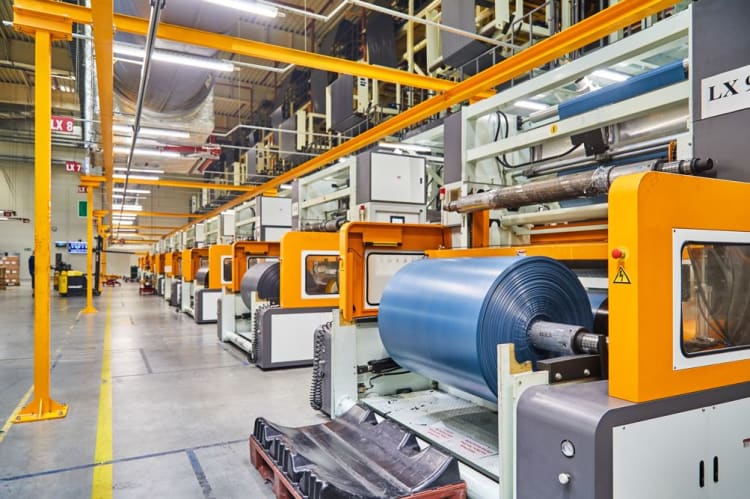
Ongoing consolidation is changing market structure, increasing the role of large, integrated organisations. On the one hand, this can support supply stabilisation and improvements in raw material quality; on the other, it raises entry barriers for new players and encourages smaller entities to specialise.
"We can expect a further increase in the importance of companies that combine recycling and manufacturing capabilities. Recyclate is starting to be treated as a strategic raw material, and its availability will have an increasingly strong impact on investment decisions and the development directions of the entire sector. In the longer term, the development of technologies such as chemical recycling may broaden the range of waste suitable for processing. However, due to costs and limited scale, these solutions will rather complement, not replace, an efficient waste collection and sorting system" Maciej Słojewski concludes.