Plastics reshape the future of vehicle design
Plastics are becoming a key enabler of frugal vehicle design, combining lightweight construction, functional integration and circularity. Their role extends from exterior structures to intelligent interior surfaces and recycled material streams.
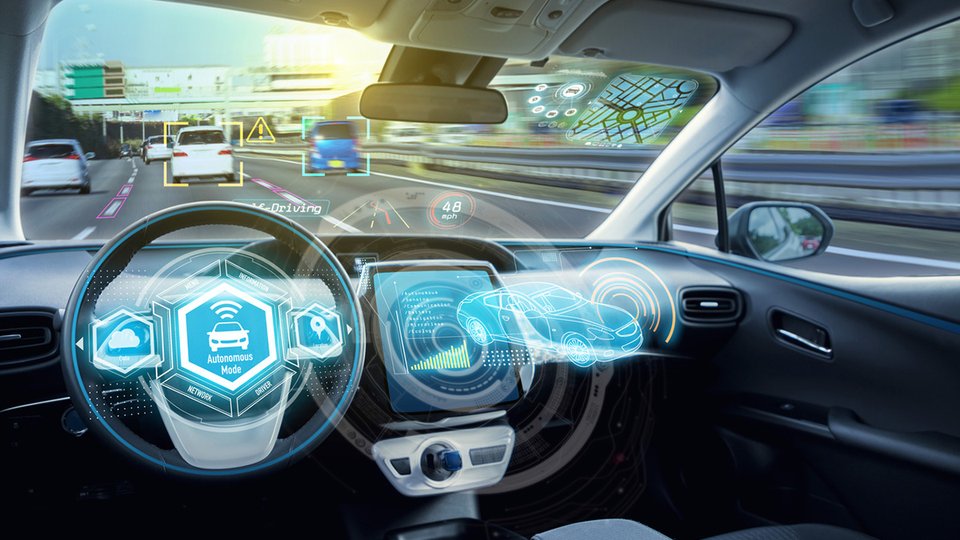
The cars of tomorrow are expected to differ significantly from the vehicles known today. They are moving toward experiential spaces with organically shaped surfaces, where function and design are increasingly integrated. According to the supplied material, the decisive innovation lies in the material: plastics are changing how vehicles look, how they function, and how they are developed and manufactured. The direction is toward lighter, more reduced and more sustainable solutions. The future of vehicle design follows a clear principle: less effort and greater impact. Frugal design is becoming a guiding philosophy, while plastics are identified as its most important enabler. Few other materials combine design freedom, functional integration and resource efficiency in a comparable way.
Reduction as a design philosophy
Frugal design makes optimal use of every material property. At the same time, components are expected to perform multiple functions. Through the use of plastics, load-bearing structure, surface, acoustics, fastening systems and design can be integrated into a single element, often in one production step. The result is a reduction in the number of parts, assembly work and component weight.
The fact that reduction has become a core principle in major design departments is illustrated by Audi. With its Concept C, the manufacturer formulated a new design philosophy in 2025. "Radical simplicity is at the heart of our approach. We achieve clarity by reducing everything to the essentials," said Massimo Frascella, Chief Creative Officer of Audi, at the presentation in Milan. In this approach, reduction is not treated as a limitation, but as a design principle enabled by innovative materials.
Form follows material
In modern vehicle design, the process increasingly begins with the material. Plastics expand the possibilities for both design and function. Organic body surfaces, flowing transitions and integrated lighting and sensor areas can emerge directly from the material itself.
New polymer-based lightweight structures now achieve densities below 1.0 g/cm³, making them so light that individual body components can float on water. Thinner and stronger structures, together with flexible geometries, are reshaping the fundamental logic of vehicle architecture. Cars can become flatter, more fluid and closer to a form sculpted from a single piece.
The interior becomes a surface
Plastics are also redefining the limits of what is possible in vehicle interiors. Modern polycarbonates enable seamless 3D displays, touch surfaces and ambient lighting within a single molded component. Displays, controls and lighting are moving away from the traditional logic of separate devices.
The interior becomes a calm, intuitive surface, reduced and multisensory. Studies cited in the source material indicate that clearly designed, context-sensitive vehicle interfaces in automated driving scenarios enhance trust, orientation and comfort by actively involving the user and reducing uncertainty.
When material thinks
Frugal design is followed by another qualitative step: intelligent materiality. Plastics take on more than form and weight, as they become adaptive, interactive and connected.
Surfaces can integrate lighting, sensors and acoustics directly into the material. Components may indicate status, respond to use or be adjusted via software. Such "smart materials", materials with actuation and sensing capabilities, are increasingly being researched for mobility applications.
Circularity as a design criterion
At the same time, sustainability is becoming part of form itself, not only a matter of material selection. New recycling technologies enable high-performance plastics to be reused multiple times and reinterpreted in design without loss of quality. Market analyses cited in the supplied material forecast annual growth rates of more than 25 percent for recycled and bio-based plastics in automotive manufacturing through 2035.
BMW is advancing this approach. At its Additive Manufacturing Campus, production waste and obsolete 3D-printed components are processed into new material. "The use of reclaimed powder and end-of-life 3D-printed parts is a key element of a functioning and efficient circular economy," says Paul Victor Osswald, Project Manager for Advanced Plastics Development at BMW Group.
The vehicles of the future are therefore expected to be reduced, lightweight, multifunctional and sustainable. Their design integrates functions into a holistic concept while emphasizing the relationship between driver and automobile. Plastics are presented as a key material in this transformation because they integrate, shape and make this new vehicle logic visible.
Read more: