The Electro project is an EU-funded initiative focused on developing recycling technologies that support Europe's transition toward a climate-neutral, circular plastics system. The consortium includes Ghent University, research institutes and industrial partners. The objective is to develop electrified, high-efficiency recycling technologies that can convert low-quality waste into full-value feedstocks.
Within the Electro project, electrified thermochemical processes are being developed to process mixed and hard-to-recycle waste streams. This includes multilayer packaging and contaminated plastics, which pose a significant challenge for conventional mechanical recycling systems. The technologies under development are intended to enable the conversion of such waste into high-purity olefins, primarily ethylene and propylene, which are key intermediates in the chemical and polymer industries.
A key element of the project is the replacement of fossil-based energy with electricity from renewable sources. The project assumptions indicate that using renewable electricity in thermochemical processes may enable a reduction of greenhouse gas emissions by up to 90 percent compared with conventional, fossil-fuel-based solutions. The project ambitions are aligned with the European Union's objectives for a circular economy and the decarbonization of energy-intensive sectors, including the plastics industry.
The role of Borealis in developing circular feedstocks for steam cracking
Borealis is one of the leading consortium partners and is responsible for the work package focused on developing circular feedstocks for efficient steam cracking. The core research area is full-range pyrolysis oil produced in thermochemical waste plastics conversion processes, as well as its fractions with different compositions and properties.
The scope of work at Borealis includes the assessment of full-range pyrolysis oil properties and those of its individual fractions, along with their suitability as feedstock for large-scale steam cracking units. It is essential to develop optimal circular hydrocarbon blends that can be introduced into existing units alongside conventional naphtha fractions. The research focuses on adjusting the composition of the blends to process requirements, operational constraints and quality parameters needed for efficient olefin production.
An important aspect is the development of cracking strategies adapted to the varying quality of pyrolysis oils, which results from the heterogeneity of waste feedstocks. For this purpose, different feed preparation and conditioning scenarios are being analysed. This includes the application of prefractionation, advanced filtration methods and systematic quality assessments. The goal is to improve process stability, limit potential contaminants and undesired components, and maximise ethylene and propylene yields.
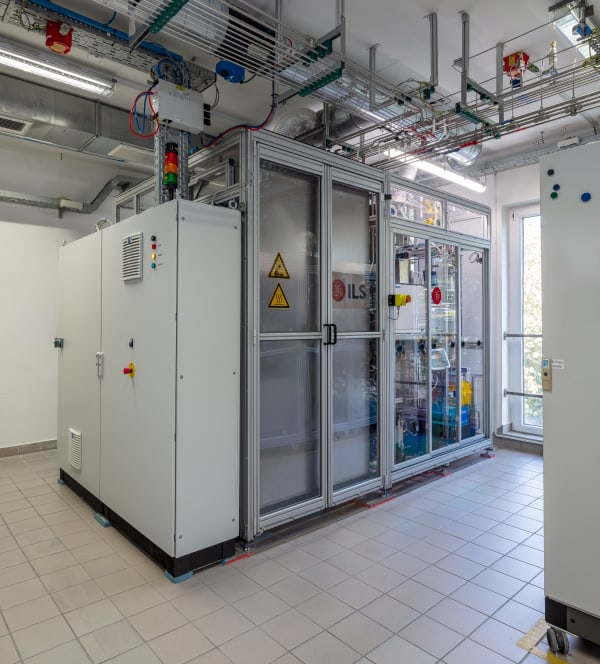
Pyrolysis oil testing laboratory
Linking research to real-world waste streams
Within the Electro project, Borealis draws on experience from Project Stop, an international waste management programme co-founded by Borealis and Systemiq in 2017. The programme develops municipal waste collection and management systems in selected regions of Indonesia, with a particular focus on preventing plastic waste from entering the environment.
Household plastics collected in Indonesia through Project Stop are used in research carried out within the Electro project. This enables the consortium to test the applicability of chemical recycling for demanding, low-value waste streams characterised by a high level of contamination and significant variability in material composition. The integration of real municipal waste with research and development activities makes it possible to evaluate to what extent the processes under development can be applied under industrial conditions and at a scale matching the needs of waste management systems.
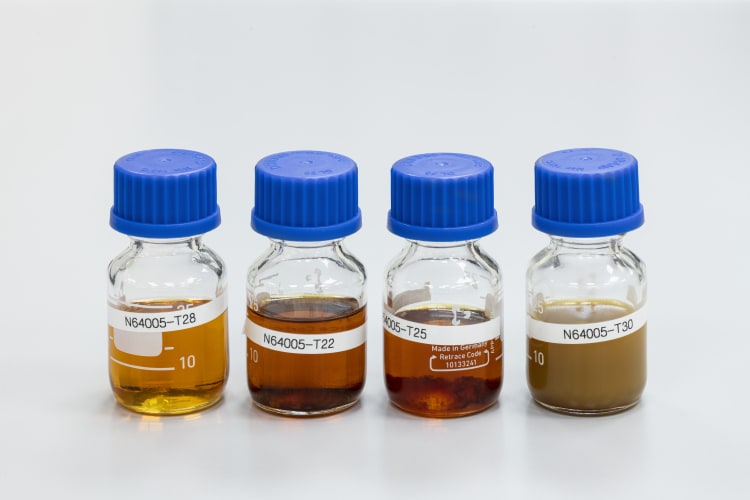
Pyrolysis oil samples
Statements from project representatives
Representatives of Borealis and the academic community emphasise the importance of collaboration in developing electrified chemical recycling. Manjunath Patil, Senior Engineer Innovation & Technology at Borealis, says:
"At Borealis, we’re committed to scaling circular solutions through innovation and strong partnerships. Together with our Electro partners, we’re proving how electrified chemical recycling can turn challenging waste streams into valuable resources for a circular economy."
The importance of combining scientific expertise with near-real-life testing is also highlighted by Kevin Van Geem, professor at Ghent University and Electro project coordinator:
"Project Electro combines top-tier scientific expertise with real-world testing. Our collaboration with Borealis – and the integration of material from Project Stop – shows how cross-sector innovation can unlock scalable solutions for both industry and society."
The Electro project is an example of cooperation between academia, industry and waste management initiatives, aimed at converting challenging plastic waste streams into feedstocks usable in the chemical industry. The technologies developed within the project may in future support an increase in the share of circular feedstock in steam cracking and a reduction of the carbon footprint of basic chemicals production.