The Implicit project aims to valorise single-use auxiliary waste generated in composite manufacturing, such as vacuum bags, release films and absorbent fabrics. These materials are widely used in production processes because they help ensure the required product quality, but after use they most often end up in landfill or incineration. This is due to the difficulties associated with their recycling, including their varied material composition and contamination with resins. The initiative envisages the development of recycling strategies that will make it possible to recover these waste streams with the highest possible purity and reuse them in industry. As a result, new secondary raw materials are to be created for higher value-added applications, including automotive components, technical textiles and urban furniture.
The companies Solteco, Birziplastik, Faperin and Industrias Alegre, together with the technology centres Aimplas, Eurecat, Tecnalia and Leartiker, are participating in the project. Solteco is the project leader, while Aimplas serves as the technical leader. The initiative is funded by the Spanish Ministry of Science, Innovation and Universities through the Centre for the Development of Industrial Technology and Innovation, CDTI, with support from the European Regional Development Fund, ERDF. The project aligns with circular economy objectives and is intended to transform difficult-to-manage waste into new resources. In addition, the development of the initiative is supported by AEMAC, the Spanish composite materials association, and Airbus, which as a strategic partner provides real waste generated in aerospace manufacturing processes.
As Pau Manclús, Chemical Recycling Researcher at Aimplas, stated, "Implicit represents a significant step towards sustainability in the composites industry because it addresses the recycling of auxiliary materials that have historically been excluded from recovery strategies. Thanks to the collaboration of companies, technology centres and industry associations, the project shows that it is possible to transform complex waste into useful resources, close the life cycle of these materials and reduce the environmental impact in key industrial sectors." This cooperation is intended to enable a comprehensive approach to the issue, from waste collection and processing to the validation of new products in real industrial applications.
Industrial validation and planned applications
One of the key pillars of the project is the validation of recovered materials in the form of industrial demonstrators. According to the project assumptions, the raw materials obtained from waste are to be converted into new products such as technical automotive parts, profiles for urban furniture and multifilaments for technical textiles. At the same time, the project is expected to create new business opportunities related to advanced recycling and sustainable manufacturing, which according to the participants may support industrial competitiveness.
Technological approach
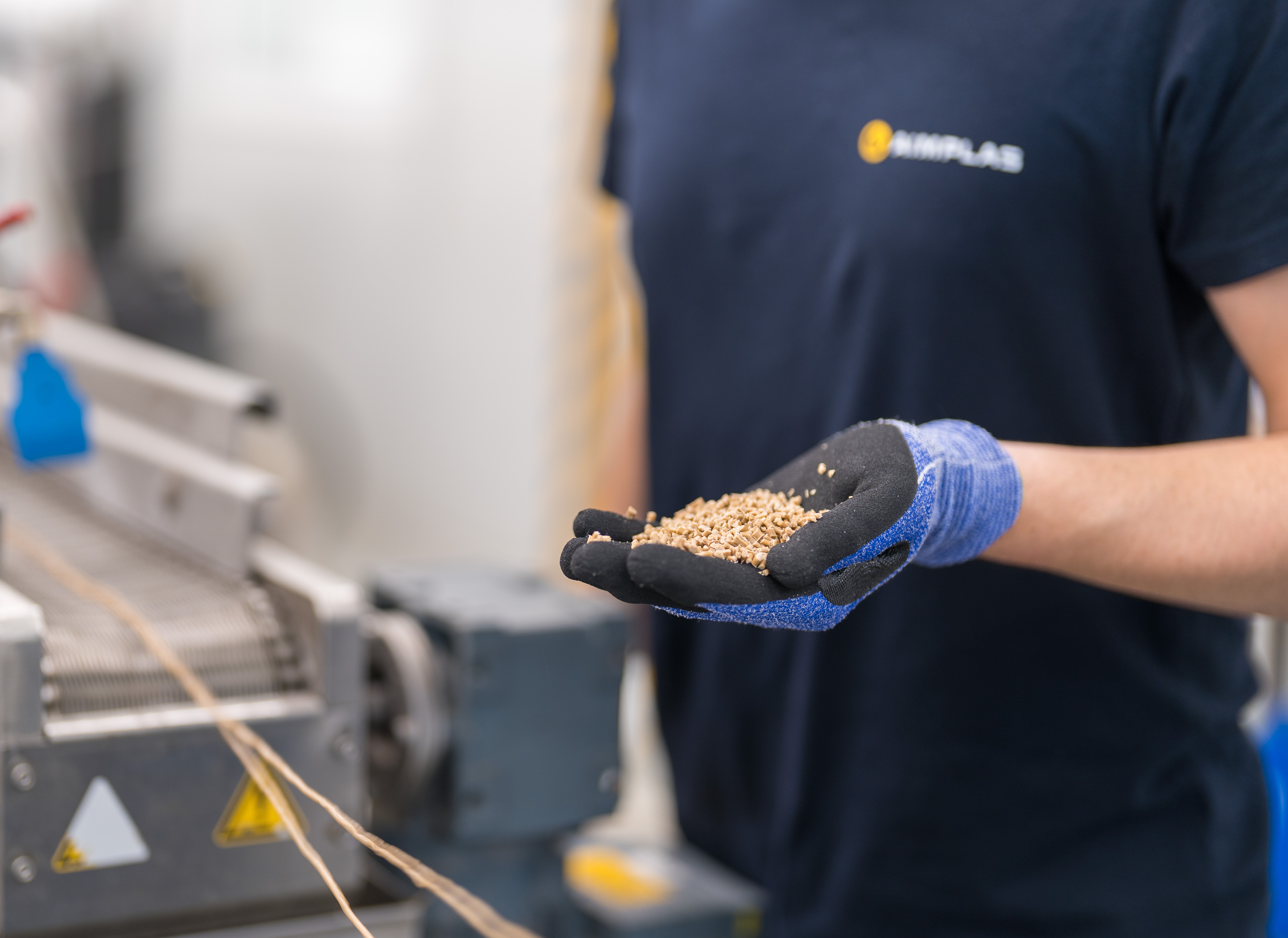
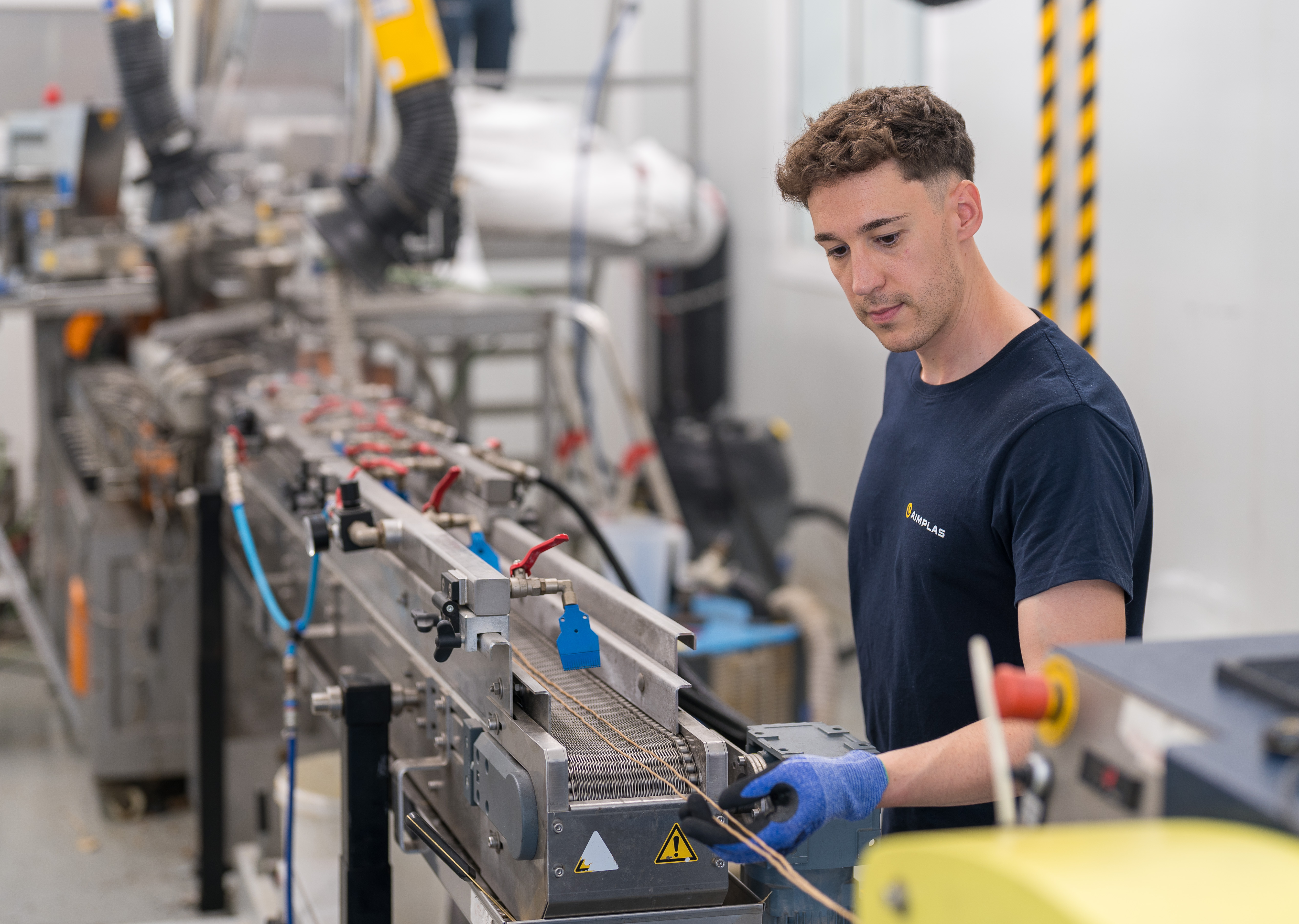
From a technical perspective, Implicit is developing a multimodal approach to recycling materials manufactured mainly from thermoplastic polymers such as PA, PET, PE and PP. This concept includes mechanical recycling, including shredding, separation and extrusion, physical recycling based on selective dissolution, and chemical recycling technologies such as solvolysis. The aim of these processes is to remove thermoset resins and recover high-value monomers and oligomers.
The project also addresses problems related to waste heterogeneity and resin contamination. To this end, advanced decontamination, compounding and additive formulation processes are planned to improve the mechanical properties of recycled materials and confirm their suitability for industrial applications.
The developed solutions are to be assessed using LCA, life cycle assessment, and LCC, life cycle costing. These tools are intended to make it possible to determine the environmental, economic and functional impact of the proposed solutions and thus support decision-making based on sustainability criteria.
The Implicit project, reference number CPP2023-010867, is being carried out under the 2024 public-private collaboration projects programme.