
The Tara Ocean Foundation, a French foundation dedicated to ocean conservation, will embark on the Tara Polaris 1 scientific expedition to the Arctic to continue its work on monitoring climate change and researching its impact on the ocean. The Tara Polar Station, the foundation’s drifting laboratory and observatory station, will be at sea for its first 18-month expedition during 2026-2027. The mission will start a 20-year programme in partnership with 30 renowned research institutes. Neste is supporting the foundation’s work by supplying Neste MY Renewable Diesel to help reduce the expedition’s climate impact, for example by replacing fossil fuel use in the polar station’s energy systems in extreme Arctic weather conditions. Around 90% of the renewable diesel supplied by Neste will be used to power generators and for heating, alongside wind and solar energy. The remainder will be used for propulsion.
"We have designed the vessel energy systems to operate on renewable diesel since the very beginning for both its efficient combustion and its low carbon footprint. Neste is one of the leading producers of renewable diesel and I am very glad that they decided to become a partner of this fantastic and important scientific endeavor to the Arctic Ocean," says Romain Troublé, Managing Director of the Tara Ocean Foundation.
Monitoring climate change in the Central Arctic Ocean
The ocean is a vital buffer against the impacts of climate change. According to the United Nations, the ocean absorbs 30% of all carbon dioxide emissions and captures 90% of the excess heat generated by these emissions. The Central Arctic Ocean is critical for global climate regulation, acting as a planetary cooling system, but it is also one of the most visible examples of delayed and insufficient efforts to reduce greenhouse gas emissions globally. The Arctic Ocean is warming three to four times faster than the rest of the planet.
The Tara Polar Station, equipped with six laboratories and a full range of scientific equipment, will conduct scientific research in the Central Arctic Ocean, assessing the state of the Arctic Ocean and its unique biodiversity. The work is intended to support understanding, tracking and documentation of changes and dynamics in the ocean and biodiversity across seasons and from year to year. It is also aimed at informing decision-makers through scientific evidence about the impact of climate change.
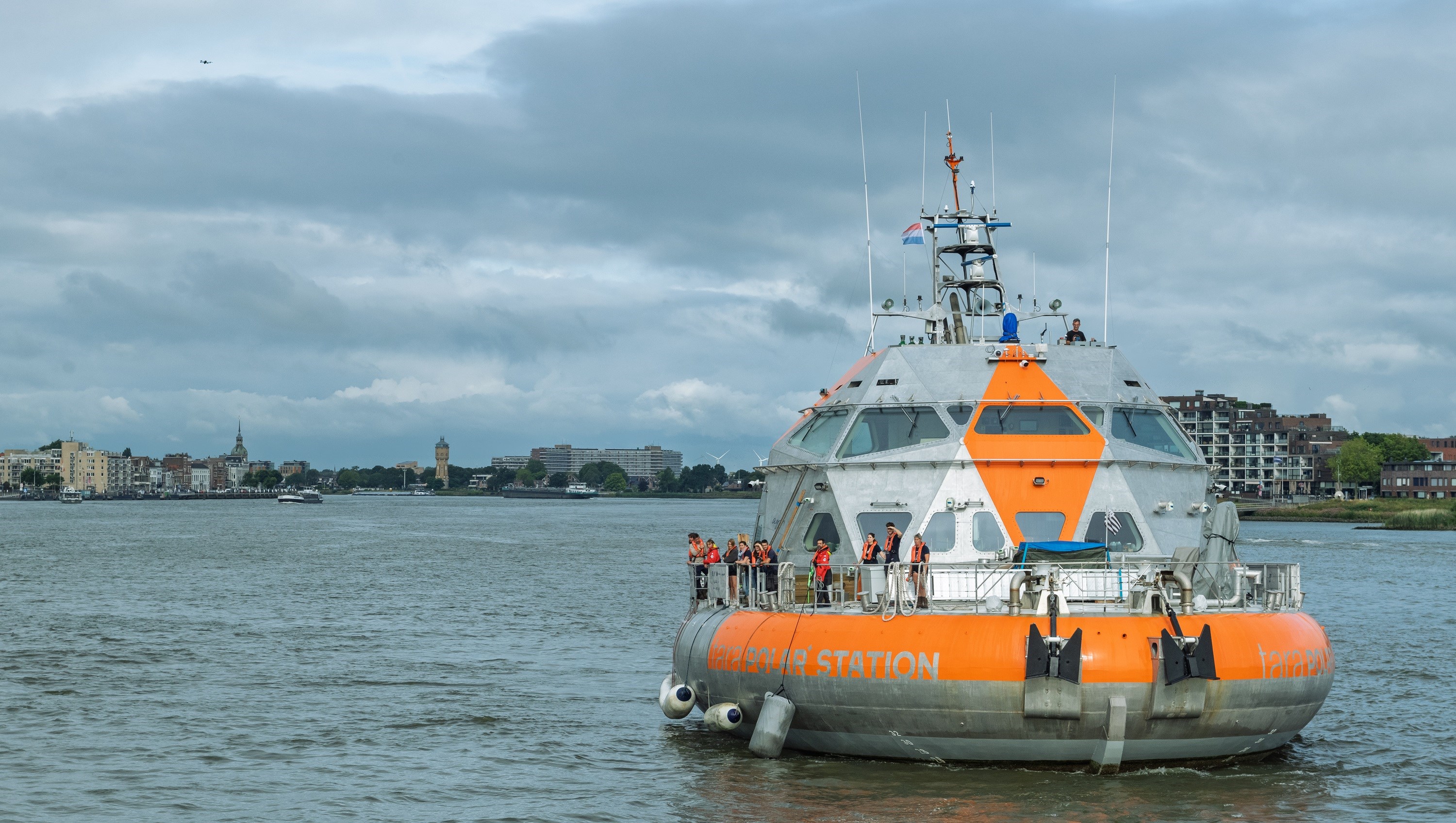
Tara Polar Station arrival at Neste MY Renewable Diesel bunker station
A mission-critical fuel
The Tara Polar Station will drift across the Central Arctic Ocean and will be locked in sea ice 90% of the time. With no possibility to refuel and in very cold temperatures, the reliability of the fuel is critical for the expedition.
"Neste has a long history of helping organizations which wish to reduce their reliance on fossil fuels and related greenhouse gas (GHG) emissions with renewable fuels, but this is the first time our fuel is contributing to a scientific expedition to the Arctic Ocean. We are proud to collaborate with the Tara Ocean Foundation and to support its important scientific work by supplying our renewable diesel that delivers reliable performance even in the harshest conditions in the Arctic," says Carl Nyberg, Senior Vice President Commercial, Renewable Products business at Neste.
Fueling before the Arctic stage
The Tara Polar Station started its journey towards the Arctic from its home port of Lorient in France on 19 July. It stopped in Dordrecht, the Netherlands, on 23 July for fueling with Neste MY Renewable Diesel. Moored at a marine bunker fuel station of OK, Catom, one of Neste’s renewable diesel distributors in the Netherlands, the station took onboard nearly 90,000 liters of renewable diesel. After fueling, the Tara Polar Station continues its journey to Norway before heading into the Arctic to start the expedition in mid-August.
Neste MY Renewable Diesel is a lower greenhouse gas emission alternative to conventional fossil diesel. Thanks to their similar chemical compositions, Neste’s renewable diesel can be used as a direct replacement for fossil diesel in existing diesel engines and fueling infrastructure and works at temperatures down to -32°C.
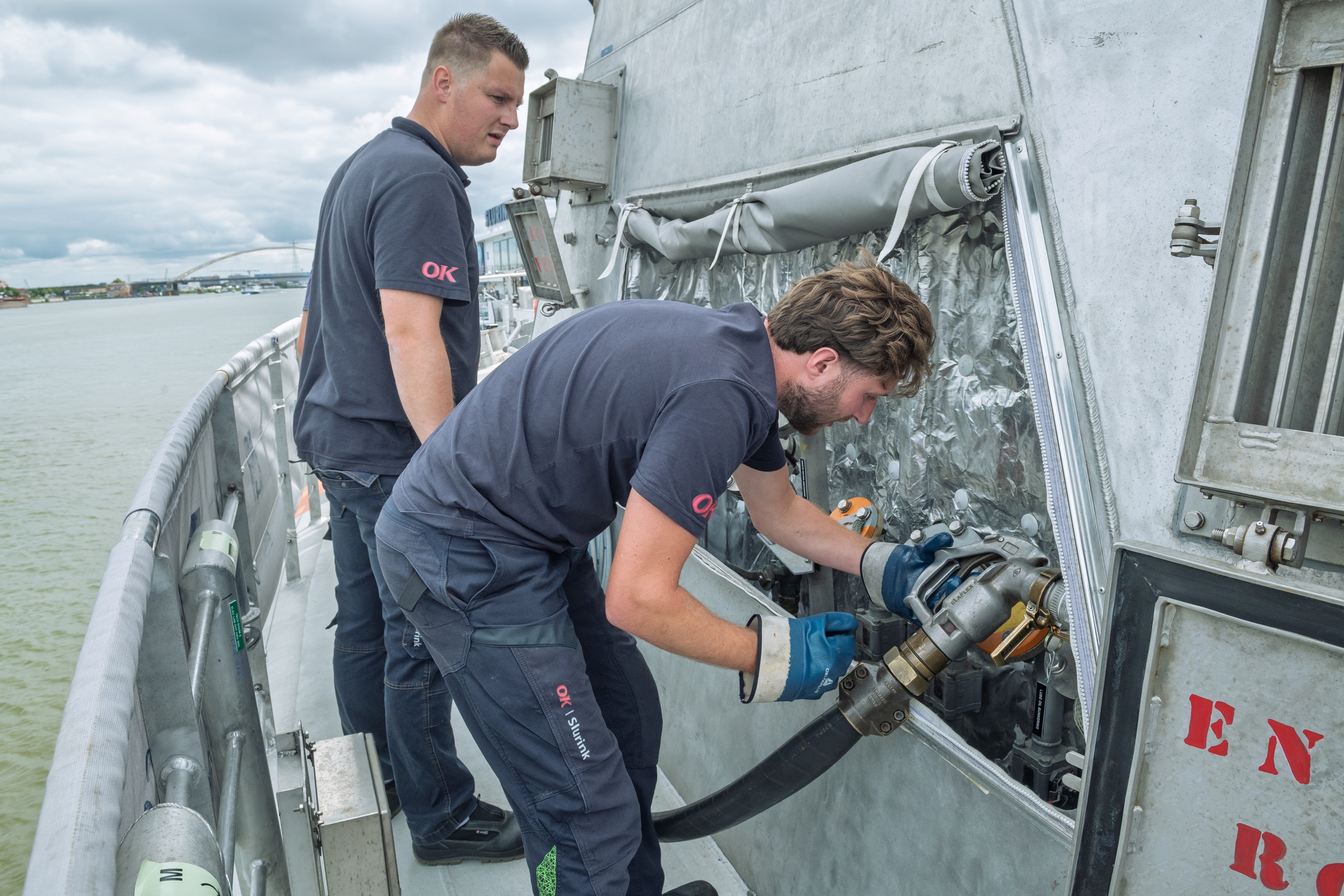
Fueling Tara Polar Station